It was 6:45 PM on a Tuesday, and I was staring at my husband like he’d just asked me to perform open-heart surgery. We had planned a “fancy” dinner in at home—candles lit, wine poured, the works. Then the phone rang. A work emergency that needed my immediate attention, lasting exactly forty-five minutes longer than I’d hoped. By the time I hung up and turned to the kitchen, the wine was already warm, the candles had burned down to nubs, and my husband was eating cereal out of a bowl like a raccoon in the dark.
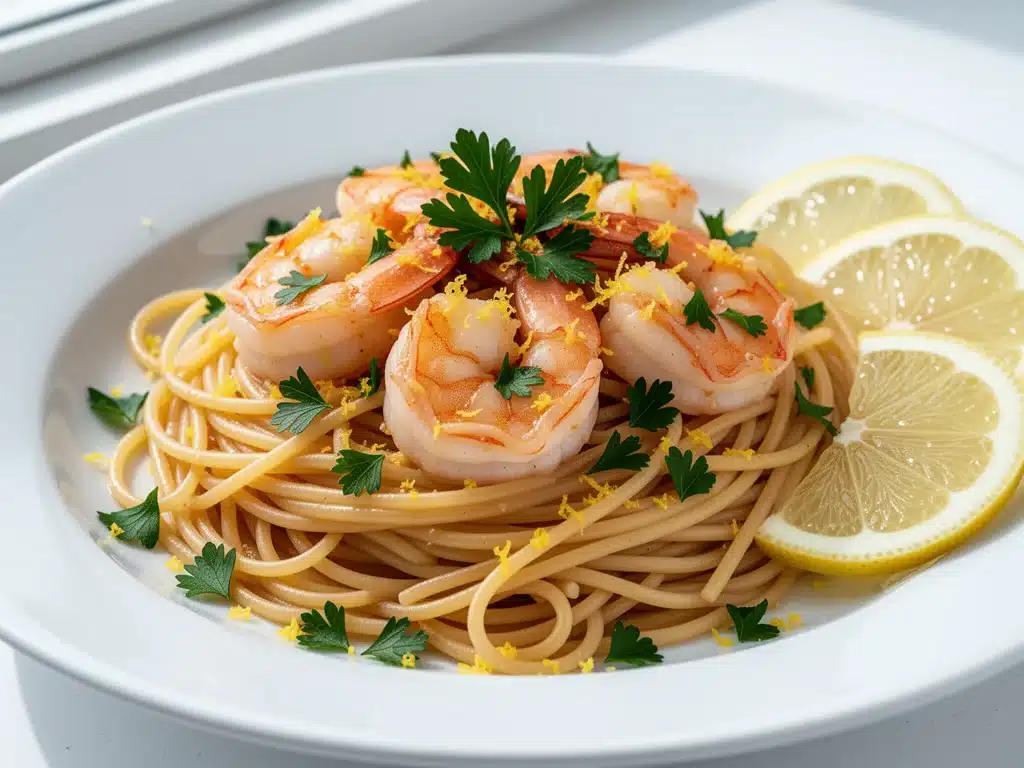
I needed something fast. Fast didn’t mean frozen pizza. Fast didn’t mean cereal. It meant something that looked like I’d spent an hour braising short ribs in a Tuscan villa, but actually took less time than it takes to boil water for tea. That night, I threw together what is now my most famous kitchen creation: garlic butter shrimp pasta with fresh parsley and lemon.
I didn’t even know what I was making as I threw ingredients into the pan. I just knew I needed garlic—lots of it—butter, something to soak it all up, and a little bit of acid to cut through the richness. Ten minutes later, we were sitting at the table with plates piled high, wine glasses refilled, and the candlelight finally looking romantic instead of desperate. My husband took one bite, looked at me, and said, “Okay, what’s the secret?”
There is no secret. Just good technique, fresh ingredients, and zero pretension. This garlic butter shrimp pasta has become our go-to for everything from lazy Tuesdays to impromptu dinner parties. It’s elegant enough to serve to friends but simple enough that you can make it in your pajamas without judgment. I’ve made this dish at least fifty times in the last two years, tweaking it slightly each time, and I can tell you with absolute certainty: it never fails to impress.
The beauty isn’t in the complexity—it’s in the balance. The sweetness of the shrimp, the nuttiness of the browned butter, the brightness of the lemon, and the fresh crunch of parsley. It’s a flavor profile that feels like a vacation on a plate. And the best part? You probably have most of these ingredients in your kitchen right now. Let me show you how to make it, and why this is the only weeknight dinner recipe you’ll ever need.
Why You’ll Love This Garlic Butter Shrimp Pasta
Look, I’m not going to sit here and tell you this is a health food. It’s butter. It’s pasta. It’s delicious. But there are reasons I keep coming back to this recipe when everything else feels too complicated. Here’s the real talk on why this dish deserves a permanent spot in your rotation.
It’s Actually Fast (Like, 20 Minutes)
I know what you’re thinking. “20 minutes? That’s not fast.” But consider this: 20 minutes from start to finish, including prep, cooking, and plating. And only 8 of those minutes are active. The rest is just boiling water and simmering sauce. I’ve made this on nights when I came home from work, dropped my bag, and had dinner on the table before my inbox could refresh. It’s the ultimate time-saver for busy people who still want to eat like humans.
It Uses Ingredients You Already Have
This isn’t a recipe that requires a trip to three different specialty stores. You need shrimp, pasta, butter, garlic, lemon, and parsley. That’s it. No weird sauces, no obscure spices, no fancy cheeses you’ve never heard of. If you can find these at a standard grocery store, you can make this dinner. I keep frozen shrimp in my freezer specifically for nights like this, so I never have to worry.
It Looks Fancy But Isn’t
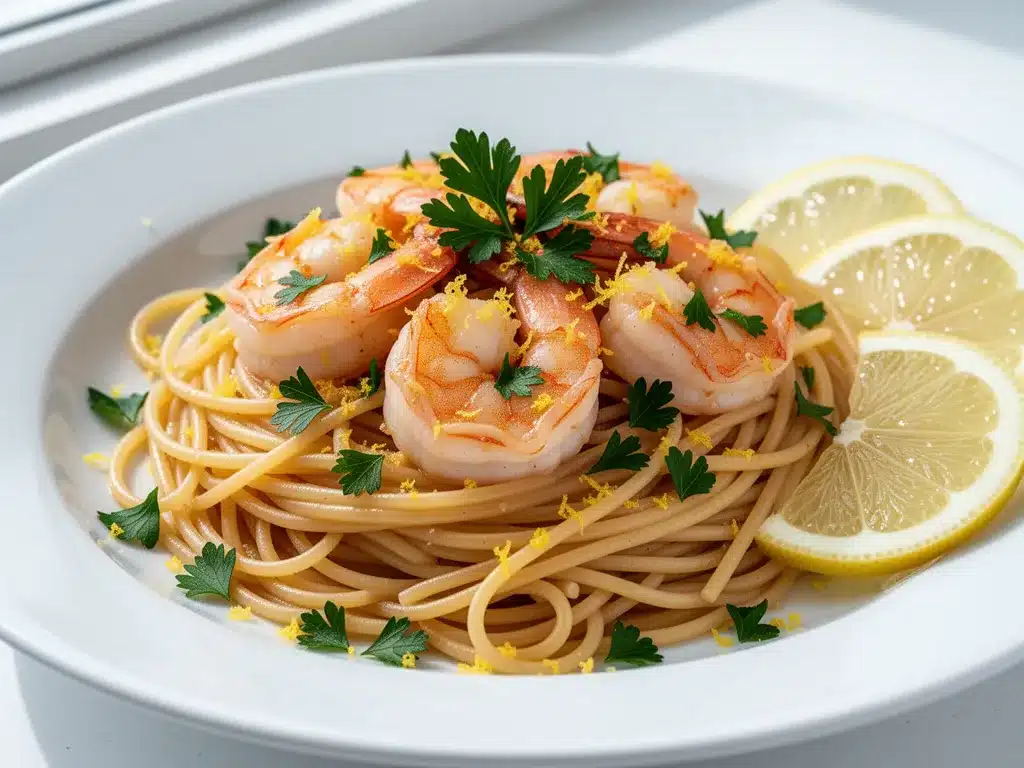
There is something deeply satisfying about serving a dish that looks like it came from a restaurant but cost you about $10 to make. The combination of golden shrimp, glossy pasta, and bright green parsley makes for a stunning presentation. I’ve served this to people who claim to be “fussy eaters,” and they always ask for the recipe. It’s the perfect balance of approachable and impressive.
It’s Customizable
Love spicy? Add red pepper flakes. Hate garlic? Use less (though I don’t recommend it). Want more veggies? Toss in some asparagus or spinach. This recipe is a framework, not a rulebook. I’ve made this with scallops, with salmon, with just veggies, and with extra shrimp. It always works because the base flavor profile is so solid.
It Heals the Soul
There’s a reason comfort food exists. When you’re tired, stressed, or just having a bad day, a bowl of warm, garlicky, buttery pasta can reset your entire mood. This isn’t just dinner; it’s a hug in a bowl. I’ve made this after bad days, after good days, after everything. It never misses.
So, if you’re looking for a recipe that delivers on flavor, speed, and ease, this is it. Let’s get into the details.
Ingredients You’ll Need
Before we start cooking, let’s talk about what’s going into the pot. I’m particular about a few things here, mostly because I’ve learned the hard way what works and what doesn’t. This looks like a short list, but each ingredient plays a specific role in the final flavor.
For the Shrimp and Sauce:
Large shrimp (1 pound / 450g, peeled and deveined) — This is the star. Look for wild-caught if you can find it, but farmed works fine too. Make sure they’re peeled and deveined to save time. If you buy them with shells on, you’ll spend half your cooking time peeling. I keep a bag of frozen shrimp in the freezer at all times for this exact reason. Thaw them under cold water for 10 minutes before using.
Unsalted butter (4 tablespoons / 60g) — This is where the magic happens. You want high-quality butter because it’s a main flavor component. I use European-style butter when I have it because it’s richer, but regular unsalted works perfectly. The key is browning the butter slightly to get that nutty flavor.
Garlic (6-8 cloves, minced) — Yes, that many. Don’t be shy. Fresh garlic is non-negotiable here. Jarred garlic has a metallic taste that ruins the delicate flavor of the shrimp. Minced fine so it distributes evenly. If you’re worried about too much garlic, use 6 cloves. But 8 is the sweet spot for my family.
White wine (½ cup / 120ml) — This deglazes the pan and adds acidity. I use a dry Sauvignon Blanc or Pinot Grigio. Don’t use cooking wine from the vinegar aisle—it tastes awful. If you don’t drink wine, substitute with chicken broth and a teaspoon of lemon juice. It won’t be the same, but it’ll work.
Chicken broth (¼ cup / 60ml) — Adds depth and body to the sauce. Use low-sodium so you can control the saltiness. Vegetable broth works for a vegetarian version.
Heavy cream (¼ cup / 60ml) — This stabilizes the sauce and adds richness. You can skip it for a lighter version, but it helps keep the sauce from breaking. I use full-fat cream for the best texture.
Lemon (1 large, juiced and zested) — The acid cuts through the butter. You need both the zest and the juice. The zest adds aroma; the juice adds brightness. Squeeze it over the finished dish right before serving.
Fresh parsley (½ cup, chopped) — Flat-leaf parsley is best. It has a cleaner, brighter flavor than curly parsley. It adds color and freshness. Don’t use dried parsley—it’s just sad green dust.
Red pepper flakes (½ teaspoon, optional) — Adds a little heat. I always include this because it wakes up the palate. Adjust to your spice tolerance.
For the Pasta:
Spaghetti or linguine (1 pound / 450g) — Long pasta is traditional for this dish. Spaghetti is classic, but linguine has a wider surface area for the sauce to cling to. Angel hair cooks too fast and gets mushy. Avoid thick spaghetti like bucatini unless you like uneven cooking.
Salt (1 tablespoon for pasta water) — The water should taste like the ocean. This is your only chance to season the pasta itself.
Pantry Staples:
Olive oil (1 tablespoon) — Used to sear the shrimp. I use extra virgin for flavor.
Parmesan cheese (¼ cup, grated, optional) — I usually skip this because the shrimp and butter are rich enough, but if you love cheese, add it at the end.
Equipment Needed
You don’t need fancy gadgets for this. Here’s what I actually use in my kitchen.
Large skillet or sauté pan (12-inch) — This is crucial. You need enough surface area to sear the shrimp without crowding them. If you use a small pan, the shrimp will steam instead of sear. I prefer stainless steel or cast iron for even heating, but a good non-stick works too.
Large pot — For boiling the pasta. Any big pot works. I use my 8-quart stockpot.
Colander — For draining the pasta. Or just use the lid if you’re lazy.
Microplane or grater — For zesting the lemon. A regular grater works but the microplane gives finer zest.
Sharp knife and cutting board — For chopping parsley and mincing garlic.
Tongs — For tossing the pasta. I use long tongs because they’re easier to handle than a fork.
How to Make It: Step-by-Step
Alright, let’s make this! I’m walking you through exactly how I do it, including the little tricks I’ve picked up over the years. This process is straightforward, but timing is everything.
Step 1: Prep Your Ingredients (5 minutes)
Before you turn on the stove, get everything ready. This is called mise en place, and it’s the secret to stress-free cooking. Mince the garlic, chop the parsley, zest and juice the lemon, and measure out the wine and cream. If you have frozen shrimp, make sure they’re thawed and patted dry. Wet shrimp won’t sear—they’ll steam. Pat them dry with paper towels. This step takes 5 minutes and makes the actual cooking so much easier.
Step 2: Cook the Pasta (10 minutes)
Bring a large pot of salted water to a boil. Add the pasta and cook according to package directions until al dente. IMPORTANT: Before draining, scoop out 1 cup of pasta water and set it aside. This starchy water is magic for the sauce. Drain the pasta and set it aside. Do not rinse it!
Step 3: Sear the Shrimp (3-4 minutes)
While the pasta cooks, heat olive oil in your large skillet over medium-high heat. Once the oil shimmers, add the shrimp in a single layer. Don’t crowd the pan! If you have a lot of shrimp, do it in two batches. Sear for 1-2 minutes per side until pink and opaque. Remove the shrimp from the pan and set them aside on a plate. They will finish cooking in the sauce, so don’t overcook them here.
Step 4: Make the Garlic Butter Sauce (3-4 minutes)
Reduce the heat to medium. Add the butter to the same pan. Let it melt and start to foam. Once it stops foaming, add the minced garlic and red pepper flakes. Cook for 1 minute, stirring constantly. The garlic should be fragrant but not brown. If it browns, it will taste bitter. Then, pour in the white wine and scrape up any browned bits from the bottom of the pan. Let it simmer for 1 minute to reduce slightly.
Step 5: Finish the Sauce (2 minutes)
Stir in the chicken broth and heavy cream. Let it simmer for another minute until slightly thickened. Add the cooked pasta to the sauce. Toss everything together, adding a splash of pasta water if needed to help the sauce cling to the noodles. The sauce should be glossy and coat the pasta evenly.
Step 6: Add the Shrimp and Finish (1 minute)
Return the shrimp to the pan. Toss gently to warm them through. Remove from heat. Stir in the lemon juice and most of the parsley, reserving some for garnish. Taste and adjust salt and pepper if needed. The sauce should be rich, garlicky, and bright.
Step 7: Serve
Plate immediately. Top with the remaining fresh parsley, a squeeze of fresh lemon, and a sprinkle of red pepper flakes if you like. Serve with crusty bread to soak up the sauce.
Total Time: About 20 minutes (8 minutes active, 12 minutes hands-off)
Expert Tips & Tricks
Here’s everything I’ve learned from making this dozens of times. These tips will save you from my mistakes.
Pat the Shrimp Dry
This is the #1 tip. Wet shrimp = steamed shrimp. Dry shrimp = seared shrimp. Use paper towels to remove as much moisture as possible before hitting the pan. This ensures a golden crust and better flavor.
Don’t Overcook the Shrimp
Shrimp cook fast. They go from perfect to rubbery in seconds. Remove them from the pan when they’re just barely pink. They will finish cooking in the warm sauce. If they’re fully cooked in the pan, they’ll be overdone by the time you serve.
Brown the Butter Slightly
Let the butter foam and then turn a light golden color. This nutty flavor adds a layer of complexity that plain melted butter can’t match. Just watch it closely—it burns fast.
Use Pasta Water
That starchy water isn’t just for show. It helps emulsify the sauce, making it creamy and helping it stick to the pasta. Add it a little at a time until you reach the consistency you want.
Fresh Lemon is Non-Negotiable
Bottled lemon juice tastes flat and artificial. Fresh lemon juice adds brightness and aroma that elevates the entire dish. Zest it directly into the pan for maximum flavor.
Common Mistakes (and how to avoid them):
Mistake: Sauce is too thin
Fix: Let it simmer longer, or add a splash of cream. Also, make sure you’re not adding too much pasta water at the end.
Mistake: Shrimp are rubbery
Fix: You overcooked them. Next time, remove them from the pan when they’re still slightly translucent in the middle.
Mistake: Garlic is burnt
Fix: Lower the heat immediately. Garlic burns at medium-high. Keep it at medium and stir constantly.
Variations & Substitutions
Once you’ve nailed the basic version, here’s how you can mix it up. I’ve tried all of these.
Spicy Version
Add 1 teaspoon of crushed red pepper flakes or a diced jalapeño with the garlic. Great for heat lovers.
Creamy Version
Increase the heavy cream to ½ cup and add ¼ cup of grated Parmesan at the end. Richer and more decadent.
Veggie-Loaded
Toss in 2 cups of fresh spinach or asparagus spears in the last minute of cooking. The spinach wilts right in. This is how I get my kids to eat vegetables.
Scallop Variation
Swap shrimp for scallops. Sear them the same way. Scallops are sweeter and more luxurious. Pair with brown butter sauce for a restaurant-quality dish.
Dietary Modifications:
Gluten-Free
Use gluten-free pasta. Everything else is naturally gluten-free. I’ve used Barilla gluten-free and it works great.
Dairy-Free
Replace butter with olive oil and heavy cream with coconut cream. It’s different but still tasty. My lactose-intolerant friend requests this version.
Lower-Carb
Use zucchini noodles instead of pasta. Reduce sauce ingredients by half. I won’t lie—it’s not the same, but it works if you’re watching carbs.
Serving & Storage
How to Serve:
“I usually serve this straight from the skillet at the dinner table—it looks rustic and stays warm. But here are other ways I’ve enjoyed it:”
Side Dishes:
– Garlic bread (obviously)
– Simple green salad with balsamic vinaigrette
– Roasted broccoli or green beans
– Caesar salad (when I’m feeling fancy)
Toppings Bar:
When I have guests, I put out: extra Parmesan, red pepper flakes, fresh basil, lemon wedges, crispy bacon bits. Everyone customizes their bowl.
Storage Instructions:
Refrigerator:
Store in an airtight container for up to 3 days. The sauce will thicken in the fridge—totally normal.
Reheating:
Best method: Add to a skillet with a splash of milk or cream over low heat. Stir until heated through and creamy again.
Microwave method: Heat in 30-second intervals, stirring between. Add a splash of milk if it’s too thick.
Never works: Trying to reheat in the pot you cooked it in. It always burns on the bottom. Ask me how I know.
Freezing:
Honestly, this doesn’t freeze well because of the dairy. The sauce separates when thawed. Make it fresh or store in the fridge for up to 3 days.
Pro tip: If leftovers are drying out, stir in a tablespoon of butter and a splash of milk when reheating. Brings back that creamy texture.
Nutrition Information
I’m not a nutritionist, but here’s the breakdown if you’re tracking.
Per Serving (based on 4 servings):
| Nutrient | Amount |
|---|---|
| Calories | 520 |
| Protein | 28g |
| Carbs | 55g |
| Fiber | 2g |
| Sugar | 2g |
| Fat | 22g |
| Saturated Fat | 12g |
| Cholesterol | 180mg |
| Sodium | 450mg |
What’s Good:
– High in protein from shrimp
– Good source of selenium and B12
– Can add vegetables to boost nutrition
What to Know:
– Higher in calories from butter and pasta
– Contains dairy and gluten
– Moderate sodium (use low-sodium broth to reduce)
My Take:
“Look, this is comfort food with butter and pasta. It’s not a diet recipe. But it’s way better than takeout, costs less, and I know exactly what’s in it. When I want to make it lighter, I use less butter and load up on vegetables. But usually? I just eat a reasonable portion and enjoy it.”
Final Thoughts
So that’s my go-to garlic butter shrimp pasta with fresh parsley and lemon! I’ve probably talked your ear off at this point, but when you make a recipe this often, you have a lot to say about it.
This has saved weeknight dinners more times than I can count. It’s my answer to “what’s for dinner” when I’m tired, don’t want takeout, and still want something that tastes really good. My kids are happy, my husband’s happy, and I’m happy because I’m not stressed about cooking.
Make it yours! Try different add-ins, swap in your favorite vegetables, adjust the garlic (though more is always better in my opinion). The best recipes are the ones you adapt to your family’s tastes. If you’re looking for other quick dinners, check out my crispy garlic chicken for another crowd-pleaser that comes together in under 30 minutes.
If you make this, drop a comment and let me know what you think! I love hearing how recipes turn out in your kitchen. And if something doesn’t work, tell me that too—I’m here to help troubleshoot.
Happy cooking! And I hope your kitchen smells half as good as mine does right now.
Frequently Asked Questions
Can I use frozen shrimp?
Absolutely! In fact, frozen shrimp are often fresher than “fresh” shrimp that have been sitting on ice. Just thaw them under cold water for 10-15 minutes, then pat them VERY dry with paper towels. Moisture is the enemy of searing.
Why did my sauce break or separate?
This usually happens if the heat was too high when you added the cream, or if you let it boil too vigorously. Keep the heat medium-low after adding the cream. If it does break, whisk in a splash of cold water or cream to bring it back together.
Can I make this ahead for a dinner party?
Sort of. Prep all the ingredients ahead of time (chop parsley, mince garlic, juice lemon). Cook the pasta and sauce right before serving. Shrimp cook fast, so it’s best to cook them fresh. You can reheat the sauce gently, but add the shrimp at the last minute to keep them tender.
What kind of wine should I use?
Use a dry white wine you would drink. Sauvignon Blanc, Pinot Grigio, or Chardonnay work well. Don’t use cooking wine. If you don’t drink wine, use chicken broth with a splash of white vinegar or lemon juice.
Can I use whole wheat pasta?
Yes, but it has a stronger flavor and different texture. I prefer white pasta for this dish because it lets the garlic and butter shine. If you use whole wheat, cook it al dente to avoid mushiness.
How do I reheat leftovers without it getting dry?
Add a splash of milk or cream to a skillet, add your leftover pasta, and heat gently over low heat, stirring frequently. The extra liquid brings back the creamy texture. Microwave sort of works but tends to dry it out. If you do microwave, definitely add a splash of milk first and heat in short bursts, stirring between.
Can I double this recipe?
Yes! Double everything and use your biggest skillet. The cooking times stay the same. I do this when I’m meal-prepping or feeding a crowd. Just make sure your skillet is big enough for the shrimp—you might need to cook them in two batches.
Pin This Recipe!
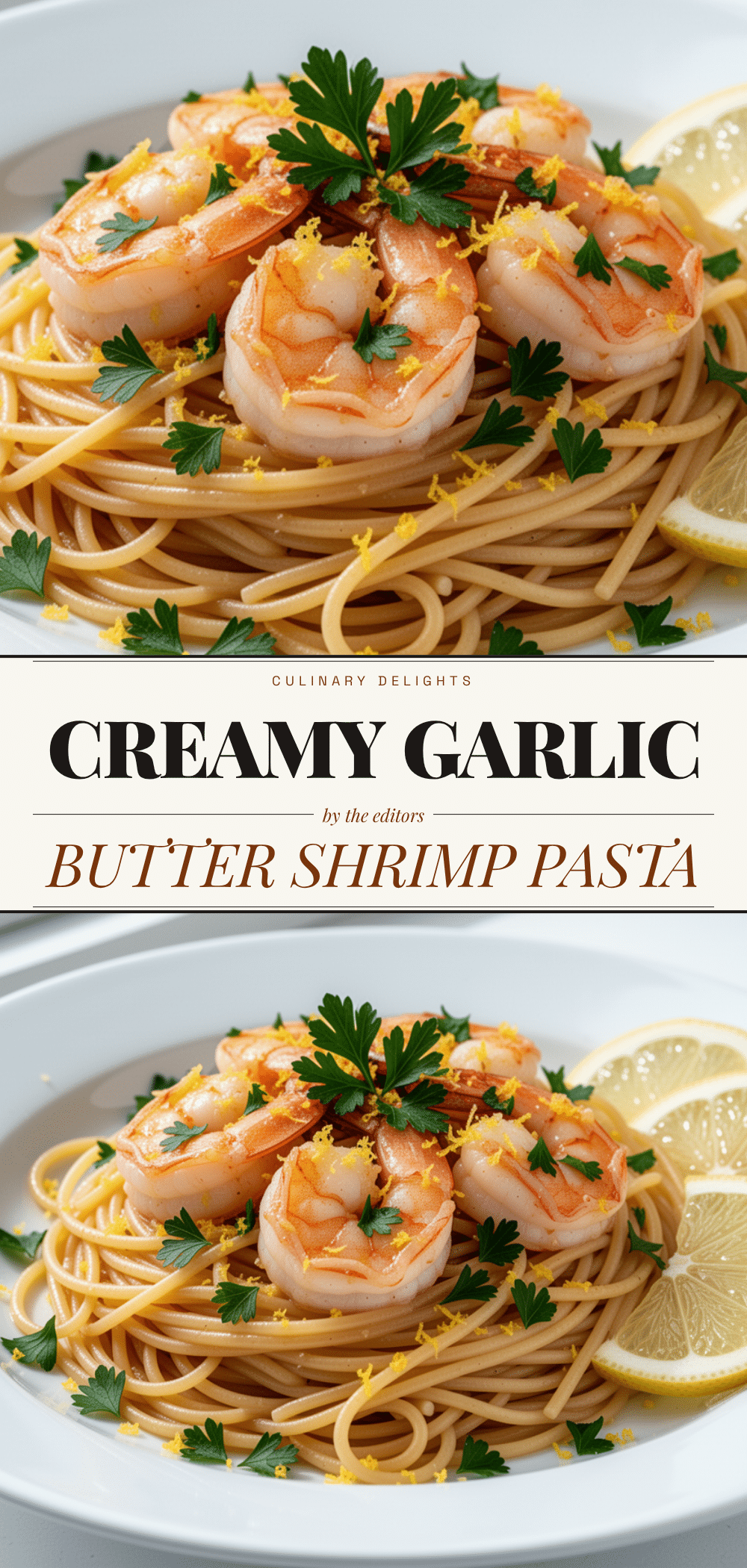
Garlic Butter Shrimp Pasta: Easy 20-Min Dinner
- Total Time: 20 minutes
- Yield: 4 servings 1x
Description
A quick, elegant weeknight dinner featuring seared shrimp in a rich garlic butter sauce with lemon and parsley, ready in just 20 minutes.
Ingredients
- 1 pound large shrimp, peeled and deveined
- 1 pound spaghetti or linguine
- 4 tablespoons unsalted butter
- 6–8 cloves garlic, minced
- 1 tablespoon olive oil
- 1/2 cup dry white wine (such as Sauvignon Blanc or Pinot Grigio)
- 1/4 cup chicken broth (low-sodium)
- 1/4 cup heavy cream
- 1 large lemon (zested and juiced)
- 1/2 cup fresh flat-leaf parsley, chopped
- 1 tablespoon salt (for pasta water)
- 1/2 teaspoon red pepper flakes (optional)
- 1/4 cup grated Parmesan cheese (optional)
Instructions
- Prep ingredients: Mince garlic, chop parsley, zest and juice lemon, and measure wine and cream. Pat frozen or fresh shrimp dry with paper towels.
- Bring a large pot of salted water to a boil. Add pasta and cook until al dente. Before draining, reserve 1 cup of pasta water. Drain pasta and set aside.
- While pasta cooks, heat olive oil in a large skillet over medium-high heat. Add shrimp in a single layer and sear for 1-2 minutes per side until pink. Remove shrimp from pan and set aside.
- Reduce heat to medium. Add butter to the same pan. Let it melt and foam, then turn light golden. Add minced garlic and red pepper flakes; cook for 1 minute until fragrant but not brown.
- Pour in white wine and scrape up browned bits from the bottom of the pan. Simmer for 1 minute to reduce slightly.
- Stir in chicken broth and heavy cream. Simmer for another minute until slightly thickened.
- Add cooked pasta to the sauce. Toss to combine, adding reserved pasta water as needed to help the sauce cling to the noodles.
- Return shrimp to the pan. Toss gently to warm through. Remove from heat.
- Stir in lemon juice and most of the parsley. Taste and adjust salt and pepper if needed.
- Serve immediately, topped with remaining parsley, extra lemon squeeze, and red pepper flakes.
Notes
Pat shrimp dry before cooking to ensure they sear rather than steam. Do not overcook shrimp as they will finish cooking in the sauce. Use fresh lemon juice for best flavor. The sauce can be reheated gently with a splash of milk or cream to restore creaminess. This recipe does not freeze well due to the dairy content.
- Prep Time: 5 minutes
- Cook Time: 15 minutes
- Category: Main Course
- Cuisine: Italian
Nutrition
- Serving Size: 1 plate
- Calories: 520
- Sugar: 2
- Sodium: 450
- Fat: 22
- Saturated Fat: 12
- Carbohydrates: 55
- Fiber: 2
- Protein: 28
Keywords: garlic butter shrimp pasta, quick dinner, weeknight meals, shrimp recipe, pasta dinner, 20 minute meals, easy seafood