I have a confession to make. For the longest time, I thought cooking salmon was a high-stakes gamble. You know the kind of gamble where you spend $20 on a piece of fish, spend 20 minutes cooking it, and then take one bite to discover it’s dry as sandpaper. Not fun. I spent years avoiding salmon because I didn’t trust my oven to do anything but overcook it. I’d settle for frozen tilapia or, worse, takeout sushi that was probably two days old.
Then, last October, I was exhausted. I had just finished a 10-hour shift, my toddler was crying because I wouldn’t let him have juice for dinner, and my husband was staring at the fridge like it held the secrets to the universe. I didn’t have the energy to chop, sauté, or monitor three different pans. I just needed dinner. On the table. Now.
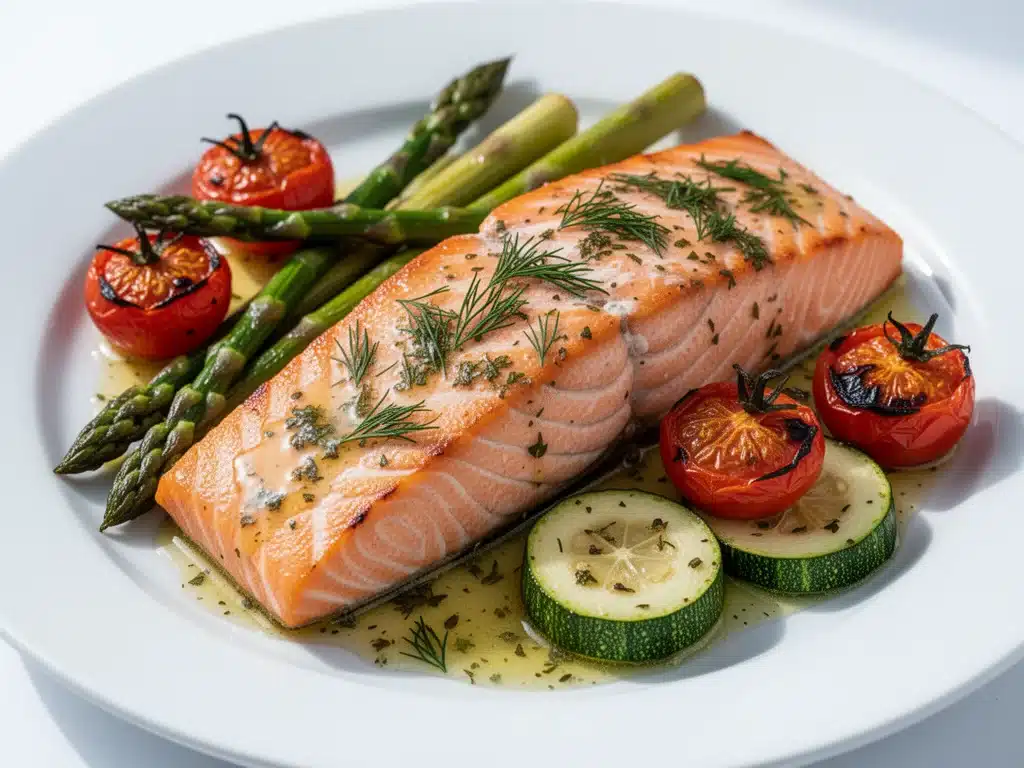
I pulled out a sheet pan. I tossed on some broccoli, threw a salmon fillet on top, drizzled it with lemon and butter, and slid it into the oven. I went to put the kid to bed. Ten minutes later, I smelled garlic and lemon. I went back, checked the fish, and it was flaky, pink, and perfect. That was the moment my weeknight dinner life changed forever. This sheet pan salmon recipe isn’t just convenient; it’s the reason I stopped dreading Tuesdays.
It’s become my absolute go-to for busy weeknights. I’ve made this sheet pan salmon and vegetables with lemon herb butter so many times that I can practically cook it in my sleep. But more importantly, my family actually eats it. The kids love the crispy veggies, the husband loves the rich fish, and I love that there are only four dishes to wash afterward. If you’re looking for an easy weeknight dinner that actually tastes like you tried, this is it.
Why You’ll Love This Recipe
There are a dozen reasons this has earned a permanent spot in my rotation, but let’s be real about the big ones. This isn’t just about laziness (though, hey, I’m not judging). It’s about getting good food on the table without losing your mind.
Minimal Cleanup — Seriously, one pan. One sheet. Maybe a bowl for the sauce. That’s it. I’ve had nights where I cried over a sink full of pots, but with this sheet pan salmon, the cleanup takes longer than the cooking. My husband actually helps with dishes now because the chore isn’t terrifying.
Under 30 Minutes — From preheating the oven to scraping the last bite off your fork, this takes about 25 minutes. That’s including prep. I’ve timed it. I’ve done it while holding a baby. It works. If you can set a timer, you can make this.
Healthy Without Being Sad — This isn’t that sad, dry chicken breast with steamed broccoli dinner. The lemon herb butter keeps the salmon moist and flavorful, and roasting the vegetables brings out their natural sweetness. It feels indulgent, but it’s packed with omega-3s and fiber. It’s the kind of dinner that makes you feel good about yourself.
Flexible and Forgiving — Ran out of broccoli? Use asparagus. Don’t like bell peppers? Skip them. Hate dill? Use parsley. This recipe is a template, not a rigid rulebook. I’ve made this with zucchini, green beans, and even sweet potatoes. It all works. If you’re a picky eater, you can customize it to your liking without it falling apart.
Restaurant Quality at Home — The lemon herb butter sauce is the secret weapon. It’s simple, but it transforms basic ingredients into something that tastes like it came from a nice restaurant. I’ve served this to friends who claim they’re “not seafood people,” and they’ve asked for the recipe. That’s the power of good seasoning and proper roasting.
This is my answer to “what’s for dinner?” when I’m tired, broke, or just don’t want to think. It’s reliable, delicious, and it makes me look like a culinary genius. I hope it does the same for you.
Ingredients You’ll Need
Here’s the best part: you probably have most of this already. I’m not asking you to go to three different stores for obscure spices. This is pantry-friendly cooking at its finest. I’m particular about a few things here, mostly because I’ve learned the hard way what works and what doesn’t.
For the Salmon
Salmon Fillets (4 pieces, about 6oz each / 1.3kg) — I use wild-caught Alaskan salmon whenever I can find it. It’s firmer and has a better texture than farmed. But honestly, any center-cut fillet works. Try to get them all the same thickness so they cook evenly. If they’re super thin, you’ll need to watch them closely.
Extra Virgin Olive Oil (2 tablespoons / 30ml) — Don’t cheap out here. You want a decent oil that tastes good raw. I keep a bottle of Bertolli or a local brand in my pantry. It adds flavor and helps the herbs stick.
Garlic (3 cloves, minced / about 1 tablespoon) — Fresh garlic is non-negotiable. I’ve tried the jarred stuff, and it just tastes metallic in this context. Mince it yourself. It takes 30 seconds. If you’re being lazy, use a garlic press, but get the good stuff.
Cherry Tomatoes (1 cup, halved / about 150g) — These burst in the oven and create little pockets of juicy sweetness that mix with the butter sauce. I love them. If you don’t have them, grape tomatoes work too. Just halve them.
For the Vegetables
Broccoli Florets (2 cups / 200g) — I buy the head and chop it myself. Pre-cut broccoli is fine, but I find the florets are often too big or too small. Chop them into bite-sized pieces. If you hate broccoli, swap for cauliflower or asparagus. Same cooking time.
Red Bell Pepper (1 large, chopped / about 200g) — Adds color and a sweet crunch. I use red because it’s sweeter than green. Yellow or orange peppers work too. Just avoid green peppers if you can—they’re bitter.
Red Onion (1 medium, sliced / about 150g) — Red onion holds up well in the oven and gets caramelized. White onion works, but red looks prettier. Slice it into half-moons.
For the Lemon Herb Butter
Unsalted Butter (4 tablespoons / 60g) — Room temperature is best so it mixes easily. I use unsalted so I can control the sodium. If you only have salted, reduce the added salt in the recipe.
Lemon (1 large, zested and juiced / about 3 tablespoons juice) — Use a fresh lemon. Bottled lemon juice tastes like cleaner fluid. Zest the lemon before you juice it. The zest is where all the flavor is. Don’t skip it.
Dried Dill (1 teaspoon) — Dill and salmon are best friends. I use dried because it’s easier to sprinkle evenly. Fresh dill works too, but add it at the end so it doesn’t burn. I keep a jar of dried dill in my spice rack year-round.
Parsley (1 teaspoon, dried or fresh) — Adds a fresh, grassy note. Dried parsley is fine, but fresh chopped parsley looks beautiful as a garnish.
Salt and Black Pepper — To taste. I use kosher salt because it’s easier to sprinkle evenly. Freshly cracked black pepper is a must.
Equipment Needed
You don’t need fancy equipment for this. Here’s what I actually use. If you don’t have these specific items, don’t worry—there are alternatives for almost everything.
Large Sheet Pan — I use a standard 13×18 inch baking sheet. It needs to be big enough to hold the salmon and veggies in a single layer. If your pan is too small, the veggies will steam instead of roast, and you won’t get that nice char. I have a well-loved pan from IKEA that’s been in my family for years.
Parchment Paper or Silicone Mat — I line my pan with parchment paper. It makes cleanup a breeze. Just peel it off and toss it. If you use a silicone mat, that works too, but I find parchment easier for sticky sauces.
Small Bowl — For mixing the lemon herb butter. Any small bowl works. I use a ramekin or a small mixing bowl.
Measuring Spoons — Pretty standard stuff. Dollar store versions work fine. You don’t need to be exact with the herbs, but the lemon juice and butter should be close.
Knife and Cutting Board — For chopping the veggies and mincing garlic. Sharp knives are safer, honestly. I learned this the hard way with a dull paring knife and a stubborn lemon.
Oven — Yes, you need an oven. Preheat it to 400°F (200°C). Make sure it’s actually at that temperature. If your oven runs hot or cold, you might need to adjust the time.
Tongs — For flipping the salmon if needed, though you usually don’t need to. I use tongs to toss the veggies in the oil. They’re better than a fork for this.
How to Make It: Step-by-Step
Alright, let’s make this! I’m walking you through exactly how I do it, including the little tricks I’ve picked up over the years. This is straightforward, but there are a few key moments where attention matters.
Step 1: Prep Your Oven and Pan (5 minutes)
Preheat your oven to 400°F (200°C). While it’s heating, line your large sheet pan with parchment paper. This is crucial for easy cleanup. I’ve tried skipping it once, and the cheese stuck so badly I had to soak the pan for an hour. Don’t be like me. Line the pan.
Step 2: Chop Your Vegetables (5-8 minutes)
Wash and chop your broccoli, bell pepper, and red onion. Cut the broccoli into florets that are roughly the same size. Chop the bell pepper into bite-sized pieces. Slice the red onion into half-moons. Halve the cherry tomatoes. Try to keep the pieces uniform so they cook evenly. If some pieces are huge and others are tiny, the tiny ones will burn before the big ones are done.
Step 3: Toss the Veggies in Oil (2 minutes)
Place the chopped vegetables on one side of the sheet pan. Drizzle them with 1 tablespoon of olive oil, salt, and pepper. Toss them with your hands or tongs until they’re evenly coated. Spread them out in a single layer. Don’t overcrowd the pan! If the veggies are piled on top of each other, they’ll steam. We want them to roast and get a little crispy.
Step 4: Prepare the Salmon (3 minutes)
Pat the salmon fillets dry with paper towels. This sounds minor, but drying the fish helps it sear better instead of steaming. Place the salmon on the other side of the sheet pan. Drizzle with the remaining 1 tablespoon of olive oil. Sprinkle with salt and pepper. Keep the lemon herb butter aside for now.
Step 5: Make the Lemon Herb Butter (2 minutes)
In a small bowl, mix the softened butter, lemon zest, lemon juice, dried dill, dried parsley, and a pinch of salt and pepper. Whisk it together until it’s smooth and fragrant. It should smell like a lemon grove. If you don’t have dried herbs, use fresh, but chop them finely. Set this aside.
Step 6: Roast (12-15 minutes)
Place the sheet pan in the preheated oven. Roast for 12-15 minutes. The exact time depends on the thickness of your salmon. After 10 minutes, check the veggies—they should be tender and slightly browned. Check the salmon. It’s done when it flakes easily with a fork and is opaque throughout. If it’s still translucent in the middle, give it another 2-3 minutes.
Step 7: Add the Butter Sauce (1 minute)
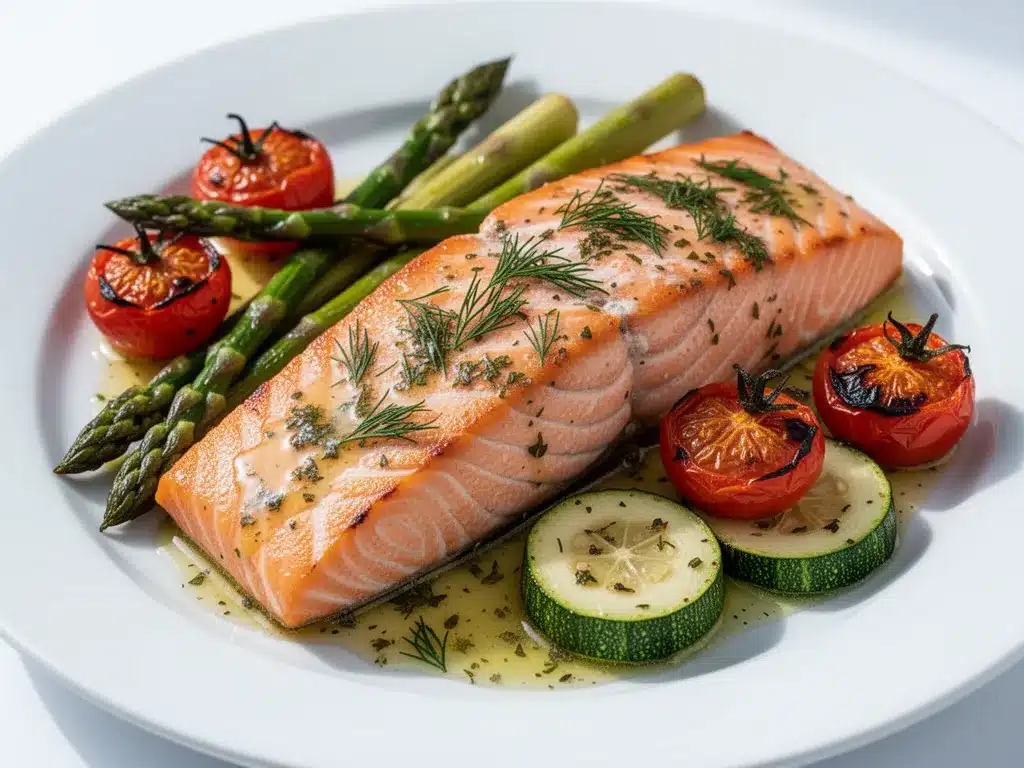
Once the salmon is almost done, spoon the lemon herb butter over each fillet. Return to the oven for the last 1-2 minutes. The butter will melt and bubble, infusing the fish with flavor. This is the magic moment. The kitchen will smell incredible.
Step 8: Serve
Remove the pan from the oven. Let it rest for 2 minutes. Garnish with fresh parsley if you have it. Serve immediately with the roasted veggies and any extra sauce from the pan. I usually serve this with a side of rice or quinoa to soak up all the delicious juices.
Expert Tips & Tricks
Here’s everything I’ve learned from making this dozens of times. These tips will save you from my mistakes.
Don’t Overcrowd the Pan
This is the #1 mistake people make. If your veggies are packed tight, they steam. Steam makes veggies soggy. Soggy veggies are sad. Give them space. If you have a small pan, cook in two batches. It’s worth it.
Pat the Salmon Dry
I know it’s annoying, but drying the fish helps it brown. Wet fish steams. I’ve made this mistake before, and the salmon was pale and bland. Dry it off!
Room Temperature Butter
If your butter is cold, it won’t mix well with the lemon juice. It’ll be lumpy. Let it sit on the counter for 15 minutes before you start. If you forget, microwave it for 10 seconds. Just don’t melt it completely.
Check for Doneness
Salmon cooks fast. It goes from perfect to dry in seconds. Use a fork to flake it. If it resists, it needs more time. If it falls apart easily, it’s done. I also use a thermometer—145°F is the safe temp, but I pull it at 135°F because it continues cooking.
Customize Your Veggies
Don’t like broccoli? Use asparagus. Hate peppers? Use zucchini. Asparagus cooks faster, so add it in the last 10 minutes. Sweet potatoes take longer, so cube them small and add them at the start. Adjust based on what you have.
Common Mistakes (and how to avoid them):
Mistake: Veggies are burnt
Fix: Your oven runs hot, or the veggies are too close to the heating element. Check them 2 minutes early. If they’re browning too fast, cover them loosely with foil.
Mistake: Salmon is dry
Fix: You cooked it too long. Salmon continues cooking after it’s out of the oven. Pull it when it’s just barely opaque in the center. It will finish cooking on the plate.
Mistake: Sauce is separated
Fix: The butter was too hot when you mixed it. Let it cool slightly before adding lemon juice. If it’s already separated, whisk in a teaspoon of cold water to emulsify it.
Variations & Substitutions
Once you’ve nailed the basic version, here’s how you can mix it up. I’ve tried all of these, and they all work.
Mediterranean Style
Swap the dill for oregano. Add Kalamata olives and feta cheese to the veggies. Use lemon and oregano in the butter. It’s a totally different vibe—tangy and savory.
Asian-Inspired
Swap the butter for sesame oil. Use soy sauce, ginger, and garlic in the sauce. Top with sesame seeds and green onions. Serve with rice. It’s a quick stir-fry vibe in the oven.
Spicy Kick
Add red pepper flakes to the butter. Use cayenne pepper on the salmon. Add jalapeños to the veggies. If you like heat, this is the way to go.
Gluten-Free
This recipe is naturally gluten-free. Just make sure your soy sauce (if using) is gluten-free. Everything else is safe.
Dairy-Free
Replace the butter with olive oil or avocado oil. Use lemon and herbs without the dairy. It’s still delicious, just lighter.
Vegan
Replace salmon with firm tofu or tempeh. Use the same veggies and sauce. Tofu absorbs the lemon herb butter beautifully. Press the tofu first, though.
Different Proteins:
Chicken Breast — Use boneless, skinless chicken thighs. They stay juicier. Cook for 20-25 minutes.
Shrimp — Toss with the veggies. Cook for 8-10 minutes. It’s even faster.
White Fish — Cod or halibut work well. Cook for 12-15 minutes. Be careful not to overcook.
Serving & Storage
How to Serve:
I usually serve this straight from the sheet pan at the dinner table—it looks rustic and stays warm. But here are other ways I’ve enjoyed it:
Side Dishes:
Fluffy rice or quinoa (to soak up the sauce)
Crusty bread (for dipping)
A simple green salad with vinaigrette
Mashed potatoes (if you’re feeling indulgent)
Toppings Bar:
When I have guests, I put out: extra lemon wedges, red pepper flakes, fresh parsley, and grated Parmesan. Everyone customizes their bowl.
Wine Pairing:
Not a wine expert, but my wine-snob friend says Pinot Grigio or Sauvignon Blanc works great with this. Something crisp and acidic to cut through the butter.
Storage Instructions:
Refrigerator:
Store in an airtight container for up to 3 days. The salmon will firm up in the fridge, but it’s still good.
Reheating:
Best method: Add to a skillet with a splash of water over low heat. Cover and steam gently. This keeps it moist. Microwave method: Heat in 30-second intervals, stirring between. It can get rubbery if you overheat it.
Freezing:
Honestly, this doesn’t freeze well. The veggies get mushy, and the salmon dries out. Make it fresh or store in the fridge for up to 3 days.
Nutrition Information
I’m not a nutritionist, but here’s the breakdown if you’re tracking. This is per serving (based on 4 servings).
| Nutrient | Amount |
|---|---|
| Calories | 380 |
| Protein | 30g |
| Carbs | 12g |
| Fiber | 4g |
| Sugar | 6g |
| Fat | 24g |
| Saturated Fat | 9g |
| Cholesterol | 95mg |
| Sodium | 320mg |
What’s Good: High in protein, rich in omega-3s, packed with vegetables. It’s a balanced meal that keeps you full.
What to Know: Higher in calories from the butter and oil. Contains dairy. Moderate sodium. Use low-sodium broth if you add one.
My Take: Look, this is comfort food with a healthy twist. It’s not a diet recipe, but it’s way better than takeout. When I want to make it lighter, I reduce the butter to 2 tablespoons and load up on veggies. But usually? I just eat a reasonable portion and enjoy it.
Final Thoughts
So that’s my sheet pan salmon and vegetables with lemon herb butter! I’ve probably talked your ear off at this point, but when you make a recipe this often, you have a lot to say about it.
This has saved weeknight dinners more times than I can count. It’s my answer to “what’s for dinner” when I’m tired, don’t want takeout, and still want something that tastes really good. My kids are happy, my husband’s happy, and I’m happy because I’m not stressed about cooking.
Make it yours! Try different add-ins, swap in your favorite vegetables, adjust the garlic (though more is always better in my opinion). The best recipes are the ones you adapt to your family’s tastes.
If you make this, drop a comment and let me know what you think! I love hearing how recipes turn out in your kitchen. And if something doesn’t work, tell me that too—I’m here to help troubleshoot.
Happy cooking! And I hope your kitchen smells half as good as mine does right now.
Frequently Asked Questions
Can I use frozen salmon?
You can, but you need to thaw it completely first. Pat it very dry before seasoning. Frozen salmon releases more water, so it might steam instead of roast. I prefer fresh, but frozen works in a pinch.
Why did my salmon turn out dry?
It was probably overcooked. Salmon continues cooking after it’s out of the oven. Pull it when it’s just barely opaque in the center. Use a thermometer if you’re unsure—135°F is perfect.
Can I make this ahead for a dinner party?
Sort of. Prep the veggies and sauce ahead and store them in the fridge. Cook the salmon fresh right before serving (takes 15 minutes). It won’t be quite as good as fresh, but it’s close and saves you stress during the party.
Why did my sauce get grainy?
The butter was too hot when you mixed it with the lemon juice. Let it cool slightly before adding. If it’s already grainy, whisk in a teaspoon of cold water to emulsify it.
Can I use jarred garlic?
You can, but fresh tastes so much better in this recipe. Jarred garlic has a weird metallic taste that really shows up in lemon sauces. If you must use it, use half the amount because it’s stronger. But honestly, mincing 3 cloves takes like 1 minute.
How do I reheat leftovers without it getting dry?
Add a splash of water or broth to a skillet, add your leftover salmon, and heat gently over low heat, covering the pan. The steam brings back the moisture. Microwave sort of works but tends to dry it out.
Can I double this recipe?
Absolutely! Double everything and use two sheet pans. The cooking times stay the same. I do this when I’m meal-prepping or feeding a crowd. Just make sure your oven has enough room for both pans.
Pin This Recipe!
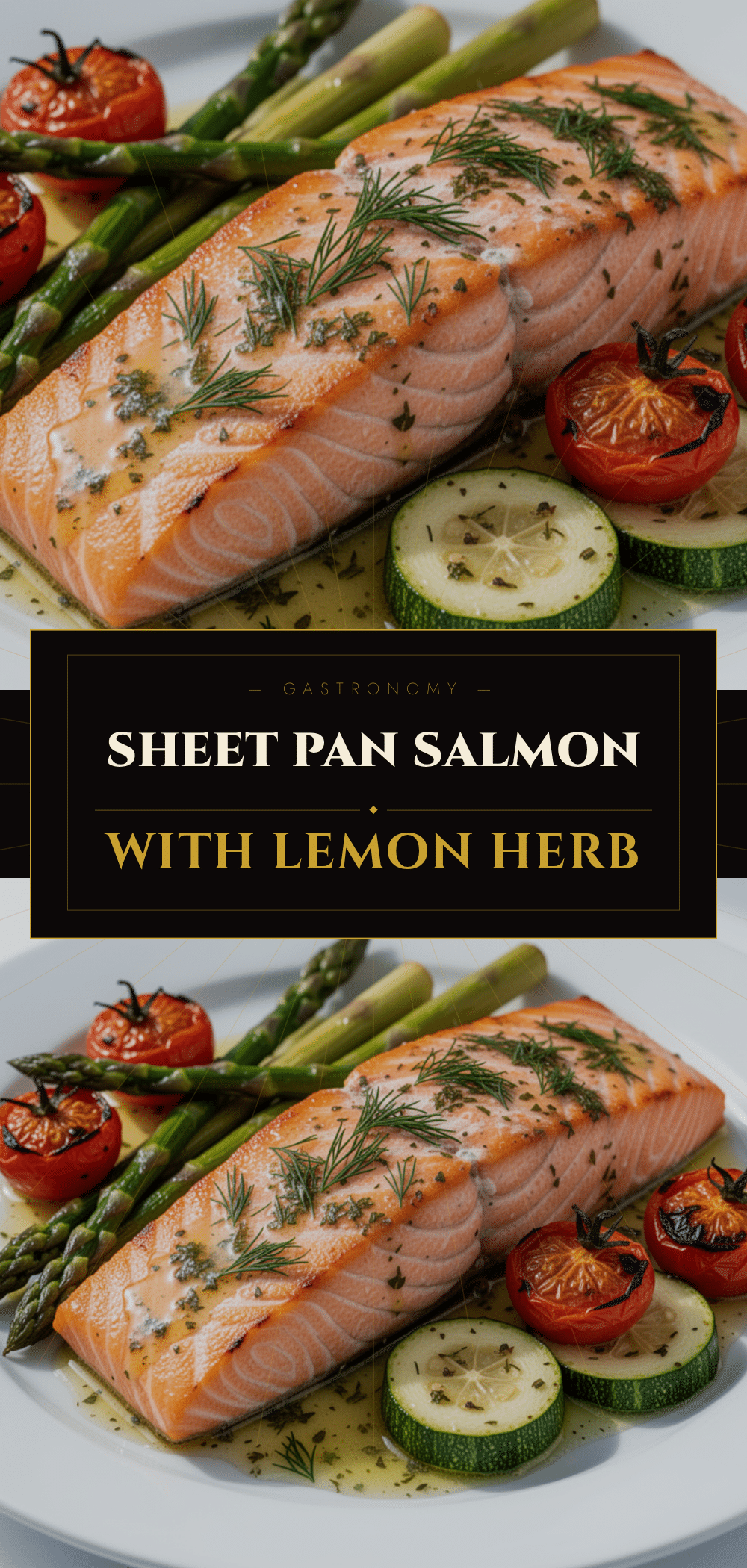
Sheet Pan Salmon: Easy Weeknight Dinner
- Total Time: 30 minutes
- Yield: 4 servings 1x
Description
A quick and easy weeknight dinner featuring salmon fillets and roasted vegetables topped with a zesty lemon herb butter sauce, all cooked on a single sheet pan for minimal cleanup.
Ingredients
- 4 salmon fillets (about 6oz each)
- 2 tablespoons extra virgin olive oil
- 3 cloves garlic, minced
- 1 cup cherry tomatoes, halved
- 2 cups broccoli florets
- 1 large red bell pepper, chopped
- 1 medium red onion, sliced into half-moons
- 4 tablespoons unsalted butter, room temperature
- 1 large lemon, zested and juiced
- 1 teaspoon dried dill
- 1 teaspoon dried parsley
- Salt and black pepper to taste
Instructions
- Preheat oven to 400°F (200°C). Line a large sheet pan with parchment paper.
- Wash and chop broccoli, bell pepper, and red onion. Halve the cherry tomatoes. Keep pieces uniform for even cooking.
- Place chopped vegetables on one side of the sheet pan. Drizzle with 1 tablespoon olive oil, salt, and pepper. Toss to coat and spread in a single layer.
- Pat salmon fillets dry with paper towels. Place on the other side of the sheet pan. Drizzle with remaining 1 tablespoon olive oil and season with salt and pepper.
- In a small bowl, mix softened butter, lemon zest, lemon juice, dried dill, dried parsley, and a pinch of salt and pepper until smooth.
- Roast in the preheated oven for 12-15 minutes. Check veggies at 10 minutes; they should be tender and slightly browned.
- Salmon is done when it flakes easily with a fork and is opaque throughout. If needed, cook for an additional 2-3 minutes.
- Once salmon is almost done, spoon the lemon herb butter over each fillet. Return to oven for the last 1-2 minutes to melt the butter.
- Remove from oven and let rest for 2 minutes. Garnish with fresh parsley if desired. Serve immediately with roasted veggies.
Notes
Do not overcrowd the pan to ensure vegetables roast rather than steam. Pat salmon dry before cooking for better browning. Use room temperature butter for the sauce to ensure it mixes smoothly. Salmon continues to cook after being removed from the oven, so pull it when it is just barely opaque in the center.
- Prep Time: 15 minutes
- Cook Time: 15 minutes
- Category: Main Course
- Cuisine: American
Nutrition
- Serving Size: 1 salmon fillet with
- Calories: 380
- Sugar: 6
- Sodium: 320
- Fat: 24
- Saturated Fat: 9
- Carbohydrates: 12
- Fiber: 4
- Protein: 30
Keywords: sheet pan salmon, easy weeknight dinner, healthy salmon recipe, lemon herb butter, one pan meal, quick dinner, roasted vegetables