Last Tuesday, I came home from work feeling like a melted stick of butter. You know the type. My brain was fried, my stomach was growling, and the thought of chopping vegetables or turning on the stove made me want to cry. I opened the fridge and saw a sad, wilting bag of coleslaw mix, some leftover rotisserie chicken, and a jar of sesame seeds that had been hiding in the back since 2021. I also had ginger, soy sauce, and rice vinegar. It wasn’t much. It was barely a meal.
But I was hungry. And I was done with takeout menus that cost more than my hourly wage. So I threw everything into a bowl. I tossed the chicken, shredded the slaw mix, whisked up a quick dressing with whatever I had, and added a handful of peanuts for crunch. I ate it standing over the sink. And it was… amazing. Actually, it was better than amazing. It was fresh, it was crunchy, it was savory, and it took exactly fifteen minutes from fridge to fork.
That accidental dinner became a ritual. I started making this Crunchy Asian Chicken Salad with Sesame Ginger Dressing every time I felt too tired to cook but too proud to order delivery. It’s become my go-to weeknight dinner for three years now. I’ve tweaked the dressing a dozen times, tested different chicken cooking methods, and argued with my husband about whether the dressing should be sweeter or spicier. Through all the experimentation, one thing has stayed constant: this salad is the ultimate life hack for busy people.
If you’re staring at a similar empty fridge tonight, or if you just want a healthy lunch that doesn’t taste like cardboard, you need to try this. It’s light, it’s satisfying, and it’s so fast you’ll wonder why you ever stressed about what to eat after 6 PM. I’ve made this salad at least twenty times, and it never gets old. In fact, I usually make extra on Sunday so I can grab a bowl on my way out the door. Let’s get into why this simple combination works so well and how you can make it your own.
Why You’ll Love This Crunchy Asian Chicken Salad
I’m not going to lie to you—this isn’t a “diet” salad in the traditional sense. There’s no sad iceberg lettuce and no mystery meat. This is a meal that actually keeps you full, fuels you, and tastes incredible. Here’s why it’s earned a permanent spot in my weekly rotation:
Lightning Fast — Seriously, if you have rotisserie chicken or a rotisserie chicken in your freezer, this takes 10 minutes. I’m not exaggerating. Chop, whisk, toss, eat. It’s faster than waiting for a pizza delivery driver to find your house.
Zero Leftover Stress — Unlike stir-fries that get soggy by day two, this salad actually improves as it sits. The noodles (if you use them) absorb the dressing, and the veggies stay crisp. I meal-prep this on Sundays, and it’s still crunchy on Wednesday. It’s the only meal prep that doesn’t feel like punishment.
Flavor Bomb — The sesame ginger dressing is the star here. It’s sweet, salty, tangy, and spicy all at once. I’ve tried store-bought Asian dressings, and they’re always either too sweet or too thin. This homemade version is potent. A little goes a long way. It tastes like it came from a high-end Asian restaurant, not my kitchen.
Customizable AF — I’ve made this with shrimp, tofu, and even just extra veggies when I’m trying to go meat-free. I’ve added mango when it’s summer, and chopped edamame when I need more protein. It’s a blank canvas for whatever you have in your fridge. This flexibility is why it works for picky eaters and adventurous cooks alike.
Gluten-Free Friendly — If you swap the soy sauce for tamari and use rice noodles or just skip the carbs, this is naturally gluten-free. I make it this way when my gluten-intolerant friend comes over, and nobody misses the wheat. It’s inclusive by design.
This salad is my answer to “I’m too tired to cook but I want to eat well.” It’s reliable, it’s delicious, and it makes me feel like a grown-up who has their life together—even when I’m wearing sweatpants and eating straight from the Tupperware.
Ingredients You’ll Need
Here’s the best part: you probably have most of this already. I’m particular about three ingredients here, and I’ll tell you exactly why. The rest is just pantry staples and fresh produce.
For the Salad Base
Rotisserie Chicken (2 cups, shredded / about 300g) — This is my secret weapon. Using pre-cooked chicken saves 20 minutes of cooking time. If you’re feeling fancy, you can poach or bake chicken breasts, but rotisserie is faster and has more flavor. I usually buy a second one just for salads like this. If you’re vegetarian, swap for extra-firm tofu or chickpeas.
Coleslaw Mix (1 bag, about 12-16 oz / 340-450g) — Don’t look at me like that. Pre-shredded cabbage and carrots are your friend. They’re already cut, they’re already clean, and they stay crunchy for days. I use the standard green cabbage and carrot blend. Some bags have purple cabbage too, which adds nice color. Just avoid the “salad mix” with leafy greens—it wilts too fast for this recipe.
Red Onion (1 small, thinly sliced / about 50g) — Adds a sharp bite that cuts through the richness of the dressing. If you’re sensitive to raw onion, soak the slices in cold water for 10 minutes first. It mellows the flavor. I like the bite, so I skip the soak.
Green Onions (4-5 stalks, sliced thinly / about 30g) — For garnish and fresh onion flavor. I use both the white and green parts. The white parts add more onion punch, the green parts add color.
Cilantro (½ cup, chopped / about 15g) — Optional, but highly recommended. It adds a bright, herbal note that balances the heavy sesame flavor. If you hate cilantro (it’s a genetic thing, I get it), swap for mint or basil. Or just leave it out.
Crunchy Toppings (½ cup total / about 60g) — I use a mix of roasted peanuts and sesame seeds. Peanuts add texture and protein. Toasted sesame seeds add nuttiness. You can also use crushed wonton strips or even crushed potato chips for a fun twist. I stick to nuts and seeds for a healthier vibe.
For the Sesame Ginger Dressing
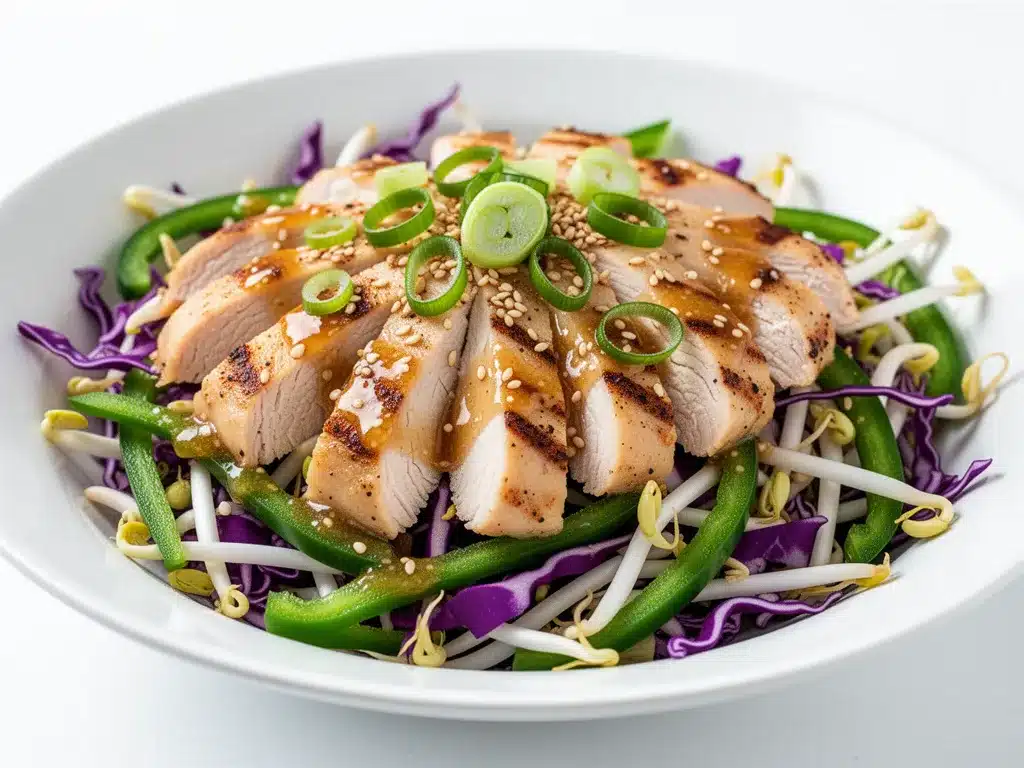
Soy Sauce (3 tablespoons / 45ml) — I use regular soy sauce for depth. If you need gluten-free, use tamari. Low-sodium soy sauce works too, but you might need to add a pinch more salt.
Rice Vinegar (2 tablespoons / 30ml) — Essential for that tangy Asian flavor. Do not substitute white vinegar or apple cider vinegar—they taste wrong in this context. Unseasoned rice vinegar is best. If you only have seasoned rice vinegar, reduce the sugar in the recipe by half.
Sesame Oil (1 tablespoon / 15ml) — This is the flavor backbone. Use toasted sesame oil, not the raw kind. The toasted kind is dark and nutty. It’s potent, so don’t overdo it. I’ve ruined salads by using too much—it tastes like medicine.
Fresh Ginger (1 tablespoon, grated / about 15g) — Yes, fresh. Grated ginger is so much better than powder. It’s spicy and aromatic. If you’re lazy, you can use 1 teaspoon of ground ginger, but the flavor won’t be as bright. I keep a knob of fresh ginger in the crisper drawer at all times.
Garlic (2 cloves, minced / about 6g) — Fresh garlic only. Jarred garlic has a weird metallic taste that clashes with the delicate ginger. Mince it fine so it dissolves into the dressing.
Honey (1 tablespoon / 21g) — Or maple syrup for vegan option. Balances the salt and acid. Adjust to taste. I like it slightly sweet, but if you prefer savory, use less.
Sriracha (1 teaspoon, optional / about 5g) — For a little heat. I always add this because I like a kick. If you’re sensitive to spice, skip it or use less. It’s not essential, but it adds complexity.
Equipment Needed
You don’t need fancy equipment for this. Here’s what I actually use.
Large Mixing Bowl — I use a 6-quart stainless steel bowl. It needs to be big enough to toss the salad without making a mess. A glass bowl works too, but I prefer metal for durability.
Small Jar with Lid — For shaking the dressing. I use a mason jar. It’s easier than whisking and ensures the oil and vinegar emulsify perfectly. Any small jar with a tight lid works.
Sharp Knife — For slicing the red onion and green onions. Dull knives make you cry more—learned this the hard way with red onions.
Microplane or Grater — For the fresh ginger and garlic. A microplane makes it almost paste-like, which dissolves into the dressing beautifully. A box grater works too, but it’s more work.
Colander — If you’re using rice noodles, you’ll need this to drain them. If you’re skipping noodles, you don’t need it.
Measuring Spoons — For the dressing. Pretty standard stuff. Dollar store versions work fine.
Optional but nice:
- Food Processor — If you’re making a huge batch of slaw, a food processor with a shredding disk saves time. But for one batch, a knife is faster.
- Salad Spinner — If you’re washing your own veggies, a spinner keeps them dry so the dressing sticks. Pre-shredded slaw mix is usually dry enough.
How to Make It: Step-by-Step
Alright, let’s make this! I’m walking you through exactly how I do it, including the little tricks I’ve picked up.
Step 1: Prep the Chicken (5 minutes)
If you’re using rotisserie chicken, just shred it with two forks or your hands. Pull off the skin if you want to cut calories, but I leave it on for flavor. If you’re cooking your own chicken, poach it in water with a splash of rice vinegar and ginger slices for 15 minutes, then shred. Let it cool completely before adding to the salad. Warm chicken wilts the veggies.
Step 2: Make the Dressing (3 minutes)
This is the easiest part. Grab your small jar with a lid. Add the soy sauce, rice vinegar, sesame oil, grated ginger, minced garlic, honey, and sriracha (if using). Screw the lid on tight and shake it vigorously for 20 seconds. The dressing should look emulsified—creamy and uniform, not separated. Taste it. If it’s too sour, add a teaspoon more honey. If it’s too salty, add a splash more vinegar. Adjust to your preference.
Step 3: Prep the Veggies (5 minutes)
Open your bag of coleslaw mix and dump it into your large mixing bowl. Slice the red onion thinly—I use a mandoline if I’m feeling fancy, but a knife works fine. Add the red onion to the bowl. Slice the green onions and cilantro. Keep them separate for now; we’ll add them at the end so they stay fresh.
Step 4: Combine the Salad (2 minutes)
Add the shredded chicken to the bowl with the cabbage and carrots. Pour about ¾ of the dressing over the salad. Toss everything together with tongs or two large spoons. You want every piece of cabbage and chicken coated. Add the green onions and cilantro now. Toss again gently.
Step 5: Add Crunch and Serve
Sprinkle the roasted peanuts and toasted sesame seeds on top. Toss one last time. Serve immediately. If you’re meal-prepping, store the dressing separately and toss just before eating to keep it crunchy. I usually serve this with a wedge of lime on the side for an extra squeeze of acidity.
Total Time: About 15 minutes (5 minutes active, 10 minutes hands-off if using rotisserie chicken).
Visual Cues:
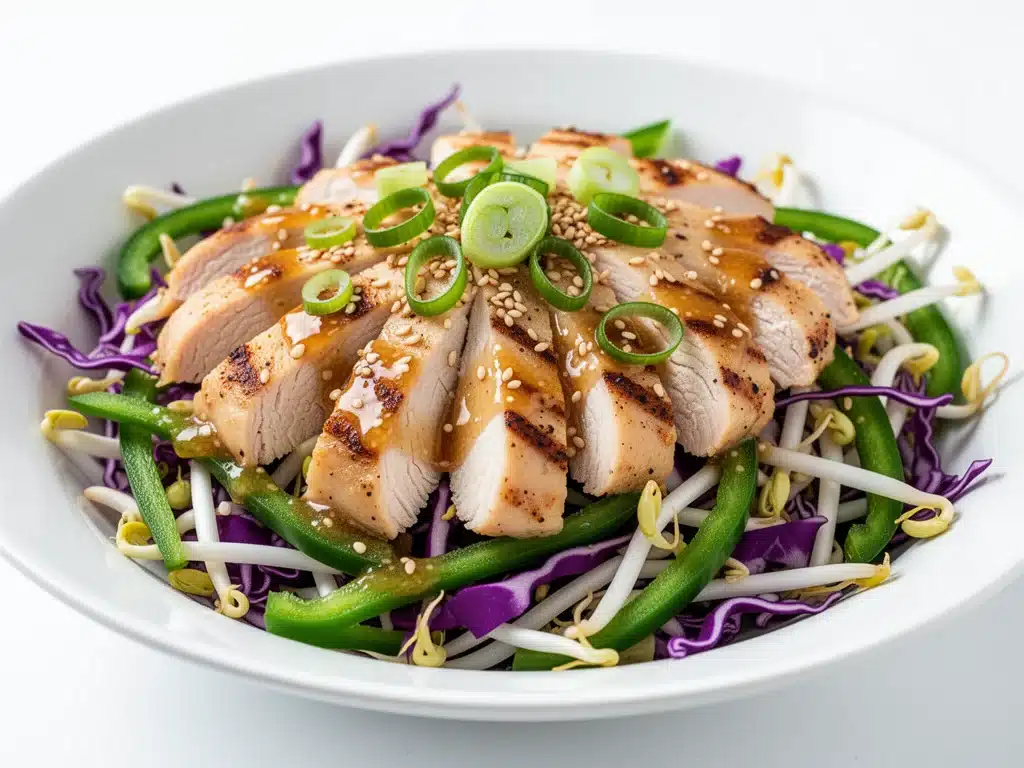
- The dressing should be glossy and coat the back of a spoon.
- The cabbage should look vibrant green and white, not dull.
- The finished salad should look colorful and textured, not monochromatic.
Expert Tips & Tricks
Here’s everything I’ve learned from making this dozens of times. These tips will save you from my mistakes.
Don’t Skimp on the Ginger — Fresh ginger is non-negotiable for the best flavor. It’s the spark that makes this salad pop. If you can’t find fresh ginger, buy a tube of ginger paste from the international aisle. It’s better than powder but not as good as fresh.
Toast Your Sesame Seeds — If you’re using raw sesame seeds, toast them in a dry skillet for 2-3 minutes until they’re golden and fragrant. It adds so much depth. I learned this from a chef friend, and it’s a game-changer. You can buy pre-toasted seeds, but toasting them yourself is free and easy.
Let It Marinate (If You Can) — While this salad is good immediately, it’s even better if you let it sit in the fridge for 30 minutes. The cabbage softens slightly and absorbs the dressing. I make this on Sunday for Wednesday lunches, and it’s perfect. Just add fresh green onions and cilantro right before serving.
Control the Salt — Soy sauce varies in saltiness by brand. I always taste the dressing before adding it to the salad. If your soy sauce is super salty, use less. You can always add more, but you can’t take it away.
Common Mistakes (and how to avoid them):
- Mistake: Dressing is too thin — Fix: Add a teaspoon of sesame paste or peanut butter to thicken it. It adds richness and body.
- Mistake: Salad is too dry — Fix: Add more dressing. I usually make extra dressing because I like it saucy. Keep it in a small jar in the fridge.
- Mistake: Veggies are soggy — Fix: Don’t dress the salad too far in advance. If meal-prepping, keep dressing and veggies separate until serving.
Variations & Substitutions
Once you’ve nailed the basic version, here’s how you can mix it up. I’ve tried all of these.
Noodle Version — Add 8 ounces of cooked rice noodles or soba noodles to the salad. Soba adds a nutty flavor, rice noodles are neutral. This makes it more filling and turns it into a full meal. I love this version for lunch.
Shrimp Swap — Replace chicken with cooked shrimp. Sauté them quickly with garlic and ginger, then cool. Shrimp pairs beautifully with the sesame dressing. I make this when I want something lighter.
Spicy Kick — Double the sriracha and add a teaspoon of chili crisp. This version is for heat lovers. I serve it with extra peanuts for balance.
Vegetarian Powerhouse — Add an extra cup of chickpeas or edamame. I also add diced avocado for creaminess. This version is protein-packed and satisfying.
Fruit Twist — Add diced mango or pineapple. The sweetness complements the savory dressing. This is great for summer when mangoes are cheap and ripe.
Dietary Modifications:
- Gluten-Free — Use tamari instead of soy sauce and ensure your sesame oil is gluten-free (most are).
- Dairy-Free — This recipe is naturally dairy-free.
- Vegan — Swap chicken for tofu or chickpeas, and use maple syrup instead of honey.
- Low-Carb — Skip the noodles and reduce the honey. Use extra veggies for volume.
Serving & Storage
How to Serve: — I usually serve this straight from the bowl at the dinner table. It looks rustic and stays fresh. But here are other ways I’ve enjoyed it:
- Over Mixed Greens — If you want more volume, serve the chicken and veggies over a bed of spinach or arugula.
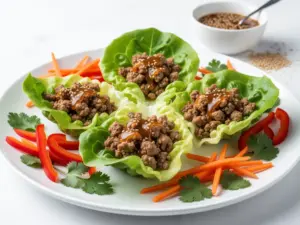
- In Lettuce Cups — Spoon the mixture into butter lettuce cups for a low-carb, fun appetizer-style meal.
- With Dumplings — Serve with steamed dumplings on the side. It’s a classic combo.
Storage Instructions:
Refrigerator: — Store in an airtight container for up to 3 days. The salad will absorb the dressing, so it might look wetter on day 2. That’s normal. Add a splash of rice vinegar when reheating (if you’re eating it cold) to brighten it up.
Reheating: — This salad is best eaten cold or room temperature. Don’t microwave it. The cabbage will get weird and the chicken will dry out. If you must warm it, just warm the chicken separately and toss with fresh veggies.
Freezing: — Do not freeze this salad. The cabbage will turn to mush when thawed. Make it fresh.
Meal Prep: — Make the dressing and shred the chicken on Sunday. Store them separately. Toss with veggies and toppings right before eating. This is the key to keeping it crunchy.
Nutrition Information
I’m not a nutritionist, but here’s the breakdown if you’re tracking. This is per serving (based on 4 servings).
- Calories: 320
- Protein: 22g
- Carbs: 18g
- Fiber: 4g
- Sugar: 10g (from honey and carrots)
- Fat: 16g
- Saturated Fat: 2g
- Cholesterol: 55mg
- Sodium: 580mg (varies by soy sauce)
What’s Good: — High protein from chicken, good fiber from cabbage, healthy fats from sesame oil and peanuts. It’s balanced and satisfying.
What to Know: — Sodium can be high if you use regular soy sauce. Use low-sodium tamari to cut it down. Sugar comes from honey, so adjust if you’re watching carbs.
Final Thoughts
So that’s my Crunchy Asian Chicken Salad with Sesame Ginger Dressing! I’ve probably talked your ear off at this point, but when you make a recipe this often, you have a lot to say about it. This salad has saved me from takeout countless times. It’s my answer to “what’s for dinner” when I’m tired, don’t want to cook, but still want something fresh and healthy. My kids are happy, my husband’s happy, and I’m happy because I’m not stressed about cooking.
Make it yours! Try different add-ins, swap in your favorite vegetables, adjust the spice level. The best recipes are the ones you adapt to your family’s tastes. If you make this, drop a comment and let me know what you think! I love hearing how recipes turn out in your kitchen. And if something doesn’t work, tell me that too—I’m here to help troubleshoot.
Happy cooking! And I hope your kitchen smells half as good as mine does right now.
Frequently Asked Questions
Q: Can I use bottled ginger instead of fresh?
A: You can, but fresh tastes so much better. Bottled ginger in the tube is okay, but it’s often preserved in salt and vinegar, which can change the flavor. If you must use it, use half the amount. Powdered ginger is a last resort—it lacks the bright, spicy kick of fresh ginger.
Q: Why did my dressing separate?
A: Sesame oil and vinegar don’t always emulsify easily. Shaking it in a jar helps, but if it still separates, add a teaspoon of Dijon mustard or sesame paste. It acts as a binder. Also, make sure your ingredients are at room temperature—cold ingredients don’t mix as well.
Q: Can I make this ahead for a lunch prep?
A: Absolutely. This is one of the best meal prep salads. Store the dressing separately and toss with the veggies and chicken right before eating. If you toss it all together on Sunday, it’ll be soggy by Wednesday. Keep the components separate for maximum crunch.
Q: What kind of peanuts should I use?
A: Roasted, salted peanuts are best. I buy them in the bulk bin section. If you’re allergic to peanuts, use toasted almonds or walnuts. They add similar crunch and flavor. Cashews are too soft for this texture.
Q: Can I use chicken breast instead of rotisserie?
A: Yes! Just cook it first. Poach it in water with ginger and rice vinegar for 15 minutes, then shred. It’s healthier but takes more time. Rotisserie is just a shortcut for busy weeknights.
Q: How spicy is this dressing?
A: With 1 teaspoon of sriracha, it’s mild. You can taste the ginger and sesame, but the heat is subtle. If you want it spicy, add more sriracha or a dash of chili flakes. Start with less and add more to taste.
Q: Can I freeze the dressing?
A: Yes, but it might separate when thawed. Whisk it well after thawing. The fresh ginger flavor might dull slightly, but it’s still good. I usually make a fresh batch because it’s so easy.
Pin This Recipe!
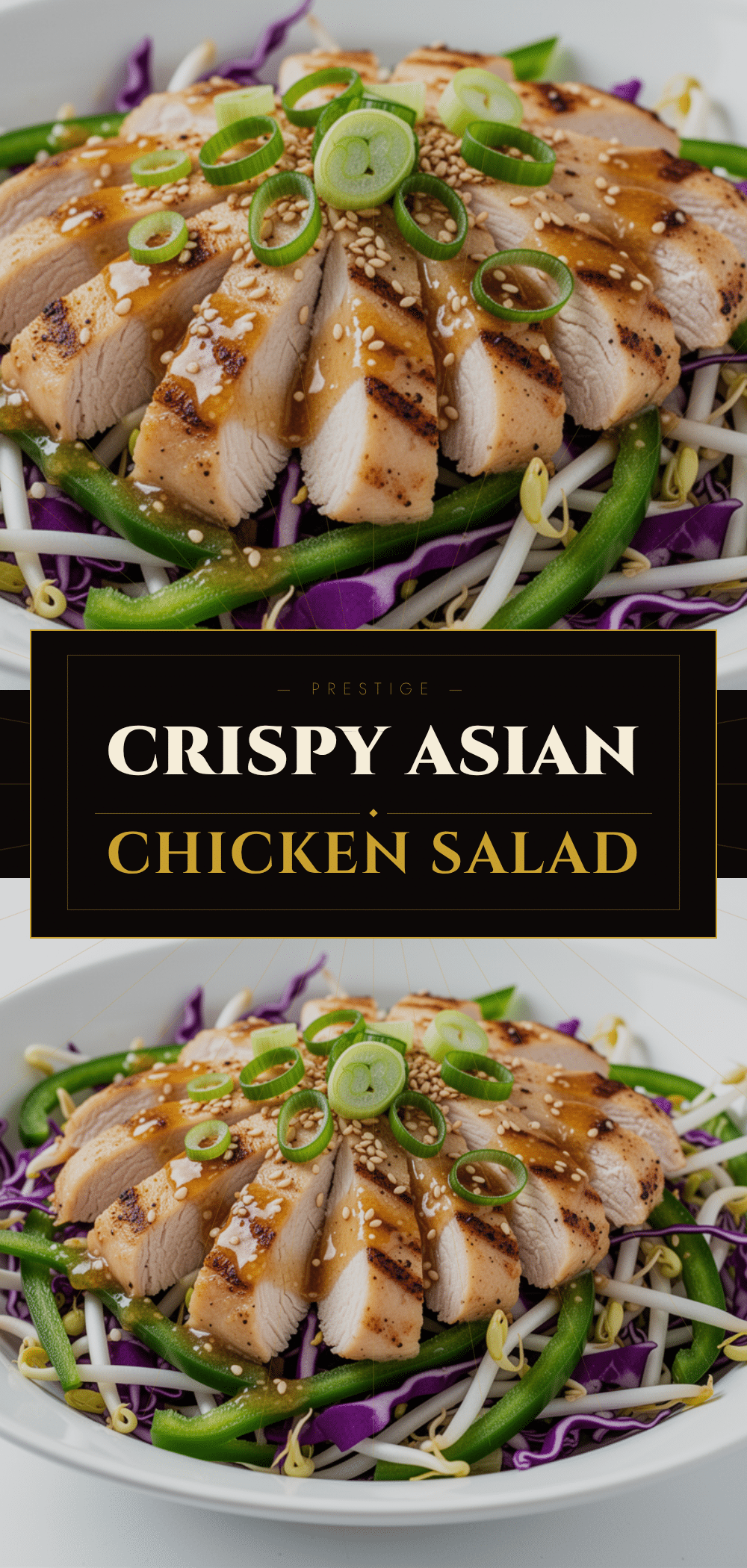
Crunchy Asian Chicken Salad with Sesame Ginger Dressing
- Total Time: 15 minutes
- Yield: 4 servings 1x
Description
A lightning-fast, 15-minute weeknight dinner featuring shredded rotisserie chicken, crisp coleslaw mix, and a savory-sweet sesame ginger dressing. This customizable salad is perfect for meal prep and keeps its crunch for days.
Ingredients
- 2 cups shredded rotisserie chicken (about 300g)
- 1 bag coleslaw mix (12–16 oz / 340-450g)
- 1 small red onion, thinly sliced (about 50g)
- 4–5 stalks green onions, sliced thinly (about 30g)
- ½ cup chopped cilantro (about 15g)
- ½ cup crunchy toppings (roasted peanuts and toasted sesame seeds, about 60g total)
- 3 tablespoons soy sauce
- 2 tablespoons rice vinegar
- 1 tablespoon toasted sesame oil
- 1 tablespoon fresh ginger, grated (about 15g)
- 2 cloves garlic, minced (about 6g)
- 1 tablespoon honey (or maple syrup for vegan option)
- 1 teaspoon sriracha (optional)
Instructions
- Prep the chicken: Shred the rotisserie chicken with two forks or your hands. If cooking your own chicken, poach in water with rice vinegar and ginger for 15 minutes, then shred and cool completely.
- Make the dressing: In a small jar with a lid, combine soy sauce, rice vinegar, sesame oil, grated ginger, minced garlic, honey, and sriracha. Screw the lid on tight and shake vigorously for 20 seconds until emulsified. Taste and adjust sweetness or saltiness if needed.
- Prep the veggies: Dump the coleslaw mix into a large mixing bowl. Slice the red onion thinly and add to the bowl. Slice green onions and cilantro, keeping them separate for now.
- Combine the salad: Add the shredded chicken to the bowl with the cabbage and carrots. Pour about ¾ of the dressing over the salad and toss with tongs to coat everything evenly. Add the green onions and cilantro and toss gently.
- Add crunch and serve: Sprinkle roasted peanuts and toasted sesame seeds on top. Toss one last time. Serve immediately with a wedge of lime on the side, or store dressing separately for meal prep.
Notes
[‘For best flavor, toast raw sesame seeds in a dry skillet for 2-3 minutes until golden.’, ‘If using raw red onion, soak slices in cold water for 10 minutes to mellow the flavor.’, ‘For meal prep, store the dressing separately and toss with veggies and chicken right before eating to maintain crunch.’, ‘Do not freeze this salad as the cabbage will turn to mush upon thawing.’, ‘This salad is best eaten cold or at room temperature; do not microwave.’]
- Prep Time: 10 minutes
- Cook Time: 5 minutes
- Category: Main Course
- Cuisine: Asian
Nutrition
- Serving Size: 1 bowl (approx. 1/4
- Calories: 320
- Sugar: 10
- Sodium: 580
- Fat: 16
- Saturated Fat: 2
- Carbohydrates: 18
- Fiber: 4
- Protein: 22
Keywords: Asian chicken salad, quick weeknight dinner, rotisserie chicken recipes, sesame ginger dressing, meal prep salad, healthy lunch, gluten-free options, 15 minute meals