Last Tuesday, I came home from work feeling like a zombie. You know the type—shoulders up to my ears, brain fog thick enough to cut with a knife, and zero motivation to do anything other than stare at the wall. The refrigerator was open, the freezer was humming, and the takeaway menu was already loaded on my phone. I was about to order a greasy, expensive meal that I’d regret by midnight.
But then I saw a bag of broccoli florets in the crisper drawer. And a bag of snap peas. And that half-bag of bell peppers I’d bought three days ago and forgotten about. And, miraculously, a package of chicken thighs that hadn’t gone bad yet. I had a fresh knob of ginger and some garlic. I had soy sauce, sesame oil, and a bottle of rice vinegar.
I didn’t want to cook. I really didn’t. But I also didn’t want to feel sluggish after eating. So I threw everything into a wok. Twenty minutes later, the smell of ginger and garlic was filling the house, my anxiety was dropping, and I was sitting down to a meal that was actually vibrant, colorful, and incredibly satisfying. It wasn’t just dinner; it was a reset button.
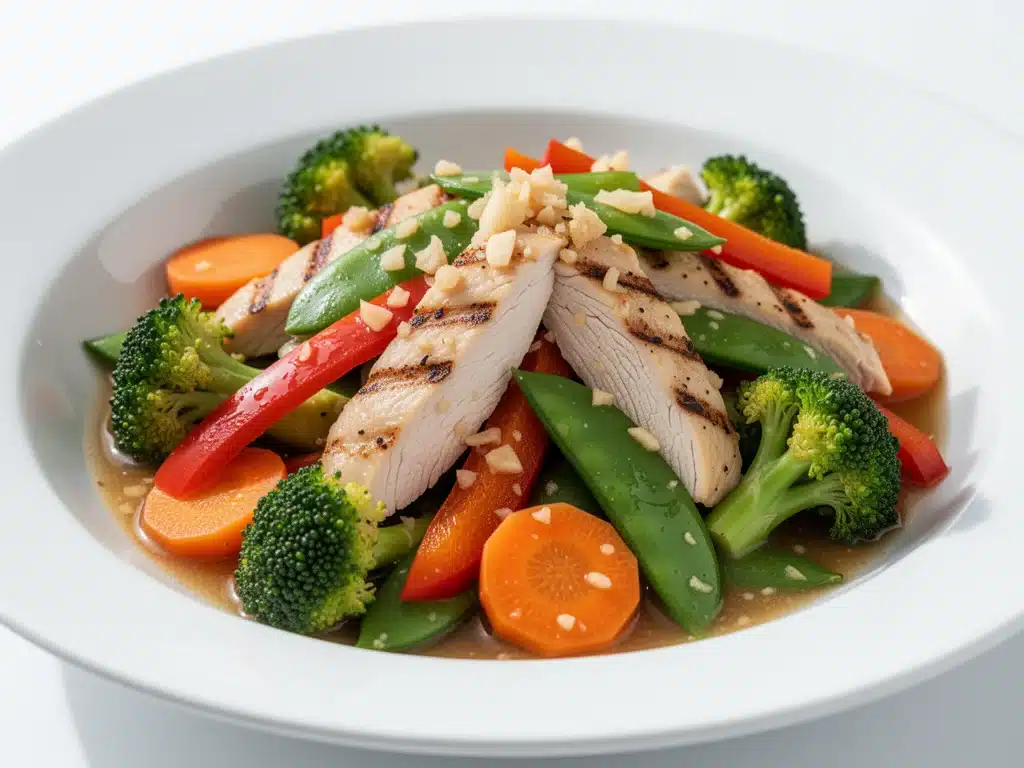
This Healthy Chicken and Vegetable Stir Fry with Ginger Sauce has been on my table at least four times a week since that Tuesday. It’s not just because it’s fast (though it is). It’s because it’s the perfect balance of savory, sweet, spicy, and fresh. The ginger sauce is the star here—it’s bright and zingy, cutting through the richness of the chicken and the earthiness of the vegetables in the best way possible. I’ve tested this recipe dozens of times, tweaking the sauce ratios until it hit that sweet spot where you want to lick the plate. And let me tell you, it’s easier to make than it is to order takeout.
If you’re tired of boring weeknight dinners that leave you feeling heavy and regretful, this stir fry is your answer. It’s packed with veggies, lean protein, and a sauce that tastes like it came from a high-end Asian restaurant but costs pennies to make. Trust me, once you try it, you’ll be making this Healthy Chicken and Vegetable Stir Fry with Ginger Sauce on repeat. And if you need another quick weeknight win, check out my crispy garlic chicken for a different flavor profile that’s just as reliable.
Why You’ll Love This Recipe
I’ve made a lot of stir fries in my life. Some are too salty, some are too watery, and some require me to buy five different sauces I’ll never use again. This one is different. It’s become my go-to because it actually works, every single time. Here’s why it’s earned a permanent spot in my weekly rotation:
Lightning Fast — Seriously, from chopping to plating, this takes about 20 minutes. I’m talking about the time I’m exhausted after work. If you can chop a vegetable and stir a pan, you can make this. The chicken cooks in 5 minutes. The veggies take 3. The sauce takes 2. It’s not complicated.
Zero Leftovers Wasted — I’m a firm believer in using what’s in the fridge. This recipe is incredibly flexible. Had a few carrots? Throw them in. Half an onion? Perfect. A handful of spinach wilting at the back? That’s a vegetable serving, baby. It’s my “clean out the fridge” hero. No more throwing away sad, wilted produce.
Actually Healthy — Let’s be real. “Healthy” food often tastes like cardboard. This doesn’t. By using chicken thighs instead of breasts, I get juicy, flavorful meat without the dryness. The sauce is balanced—not drowning in sugar or sodium. And loading up on colorful veggies means you’re getting fiber, vitamins, and antioxidants without even thinking about it. My kids eat it without complaining, which is the ultimate test of any healthy recipe.
Restaurant-Quality Flavor at Home — The ginger sauce is the secret weapon. It’s not just soy sauce; it’s a complex blend of ginger, garlic, a touch of honey, rice vinegar, and sesame oil. It’s bright, aromatic, and addictive. I’ve served this to friends who order takeout every night, and they always ask for the recipe. It tastes like you spent hours simmering the sauce, but it takes seconds to whisk together.
This is my comfort food that doesn’t weigh me down. It’s vibrant, it’s fast, and it makes my kitchen smell amazing. That’s all I need.
Ingredients You’ll Need
Here’s the best part: you probably have most of these ingredients already. This isn’t a recipe that requires a trip to three different specialty stores. It’s pantry-friendly and produce-simple.
For the Chicken:
Chicken thighs (1.5 lbs / 680g) — Boneless, skinless. I prefer thighs over breasts because they stay juicy even if you overcook them slightly (which happens when you’re tired). If you use breasts, cut them smaller and watch the pan closely.
Cornstarch (1 tablespoon) — This is non-negotiable. It creates that velvety, restaurant-style coating on the chicken. It helps the sauce cling to the meat instead of pooling at the bottom of the bowl.
Soy sauce (1 tablespoon) — Use low-sodium if you can. It gives that deep umami flavor.
Sesame oil (1 teaspoon) — Just a little for flavor. Don’t substitute with regular oil here; the nuttiness is key.
For the Veggies:
Broccoli florets (2 cups) — Fresh is best, but frozen works too. If using frozen, don’t thaw them first; throw them in frozen so they don’t get mushy.
Snap peas or snow peas (1 cup) — They add a nice crunch and sweetness. Green beans work too if that’s what you have.
Red bell pepper (1 medium, sliced) — Adds color and a sweet, crisp bite. Yellow or orange peppers work just as well.
Carrots (1-2 medium, julienned or thinly sliced) — Essential for texture. Slice them thinly so they cook quickly.
Green onions (4-5 stalks, chopped) — For garnish and a fresh oniony bite. Separate the white parts (cook them) and the green parts (garnish with).
For the Ginger Sauce:
Fresh ginger (1 tablespoon, minced) — Yes, fresh. Grated or minced. Powdered ginger just doesn’t have that bright, zesty punch. I keep a knob in the freezer so it’s easy to grate.
Garlic (3 cloves, minced) — Don’t skimp. Garlic and ginger are best friends.
Rice vinegar (2 tablespoons) — Adds acidity to balance the sweetness. Apple cider vinegar works in a pinch, but rice vinegar is more authentic.
Honey or maple syrup (2 tablespoons) — Sweetens the sauce and helps it caramelize slightly. Maple syrup makes it vegan-friendly.
Low-sodium chicken broth (¼ cup) — Adds volume to the sauce without making it too salty.
Cornstarch (1 teaspoon) — Mixed with the broth to thicken the sauce. This creates that glossy, clingy texture.
Red pepper flakes (½ teaspoon, optional) — For a little heat. Adjust to your spice tolerance.
Sesame seeds (1 tablespoon, for garnish) — Adds a nice visual appeal and nutty flavor.
For Cooking:
Neutral oil (2 tablespoons) — Avocado oil, canola oil, or vegetable oil. Something with a high smoke point.
Equipment Needed
You don’t need fancy equipment for this. Here’s what I actually use:
Wok or Large Skillet — I use a carbon steel wok because it heats up fast and has high sides. But a 12-inch cast iron skillet or a large non-stick pan works perfectly fine. The key is surface area. You need room for the veggies to sizzle, not steam.
Sharp Knife — For chopping veggies and mincing ginger. A dull knife makes mincing ginger a nightmare. Learn to sharpen yours.
Cutting Board — Any size. I use a large plastic one because it’s easy to clean.
Mixing Bowls — Two small bowls for the chicken marinade and the sauce. Prep is key.
Wooden Spoon or Silicone Spatula — For stirring. Don’t use metal on non-stick.
Measuring Spoons — Standard stuff. Accuracy matters more here than in baking, but getting the sauce ratio right makes a difference.
How to Make It: Step-by-Step
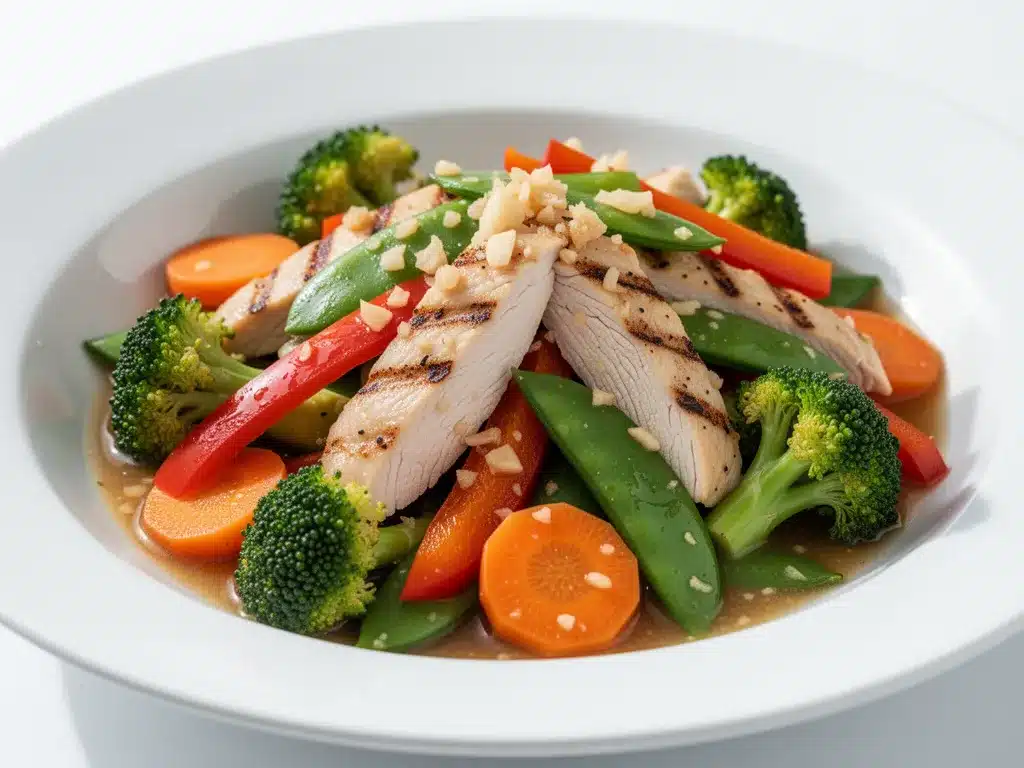
Alright, let’s make this! I’m walking you through exactly how I do it, including the little tricks I’ve picked up over time.
Step 1: Prep the Chicken (5 minutes)
Cut the chicken thighs into bite-sized pieces. Try to keep them roughly the same size so they cook evenly. In a bowl, toss the chicken with 1 tablespoon soy sauce, 1 teaspoon sesame oil, and 1 tablespoon cornstarch. Mix well until the chicken is coated. Let it sit while you prep the veggies. The cornstarch will create a protective layer that keeps the chicken tender.
Step 2: Prep the Veggies (5 minutes)
Wash and chop your vegetables. Slice the bell pepper into strips, julienne the carrots, and cut the broccoli into small florets. Mince the garlic and grate the ginger. Chop the green onions. Have everything ready in bowls or on a plate. Once you start cooking, things move fast, and you won’t want to be chopping while the pan is hot.
Step 3: Make the Ginger Sauce (2 minutes)
In a small bowl, whisk together the rice vinegar, honey (or maple syrup), 2 tablespoons soy sauce, minced ginger, minced garlic, red pepper flakes (if using), and chicken broth. In a separate small cup, mix 1 teaspoon cornstarch with 1 tablespoon cold water to create a slurry. Set this aside.
Step 4: Cook the Chicken (5 minutes)
Heat 1 tablespoon of neutral oil in your wok or skillet over medium-high heat. Once the oil is shimmering, add the chicken in a single layer. Don’t crowd the pan! Cook for 3-4 minutes without moving it too much, letting it get a nice golden brown. Then flip and cook for another 2-3 minutes until cooked through. Remove the chicken from the pan and set it aside on a plate.
Step 5: Sauté the Veggies (3-4 minutes)
Add the remaining 1 tablespoon of oil to the same pan. Add the carrots and broccoli first, as they take longer to cook. Stir-fry for 2 minutes. Then add the bell peppers and snap peas. Cook for another 1-2 minutes until the veggies are tender-crisp. They should still have some crunch. Add the white parts of the green onions and cook for 30 seconds.
Step 6: Combine and Sauce (2 minutes)
Return the cooked chicken to the pan with the veggies. Give the sauce mixture a quick stir (the cornstarch settles) and pour it over the chicken and vegetables. Toss everything together. The sauce will thicken rapidly, within about 30-60 seconds. Keep stirring until the sauce is glossy and coats everything evenly. If it’s too thick, add a splash of water. If it’s too thin, let it cook for another minute.
Step 7: Serve
Remove from heat. Garnish with the green onion tops and sesame seeds. Serve immediately over steamed rice, quinoa, or cauliflower rice. The steam rising off the dish should make you hungry just looking at it.
Expert Tips & Tricks
Here’s everything I’ve learned from making this dozens of times. These tips will save you from my mistakes.
Don’t Skip the Cornstarch on the Chicken
This is the “velveting” technique used in Chinese restaurants. It seals in the juices and gives the chicken a silky texture. Without it, the chicken can get dry and the sauce won’t stick as well. It’s a small step that makes a huge difference.
High Heat is Your Friend
Stir-frying requires high heat to sear the ingredients quickly. If your pan isn’t hot enough, the veggies will steam instead of fry, and you’ll end up with soggy, watery stir fry. Get that pan smoking hot before you add the oil.
Prep Everything Before You Turn on the Heat
I cannot stress this enough. Have all your veggies chopped, sauce mixed, and chicken ready. Once you start cooking, it goes fast. If you’re chopping carrots while the chicken is burning, you’re doing it wrong. Mise en place is your best friend.
Use Fresh Ginger
I’ve tried powdered ginger, and it just doesn’t work. It tastes dusty and flat. Fresh ginger has a bright, spicy-sweet flavor that defines this dish. If you’re lazy, grate it and freeze it in small portions in an ice cube tray. Then you can just pop one cube out when you need it.
Don’t Overcrowd the Pan
If you cook too much at once, the temperature drops, and the food steams. Cook in batches if you’re making a large portion. Better to cook two smaller batches than one big, soggy mess.
Variations & Substitutions
Once you’ve nailed the basic version, here’s how you can mix it up. I’ve tried all of these.
Protein Swap
Use shrimp instead of chicken. Shrimp cooks in 2-3 minutes, so add it at the very end. Beef strips (sirloin or flank steak) work too, but marinate them in the cornstarch mixture for 15 minutes first.
Veggie Load
Add mushrooms (shiitake or button), bok choy, or zucchini. Zucchini cooks very fast, so add it in the last minute. Mushrooms add a savory, meaty texture that’s great for vegetarians.
Nutty Twist
Stir in 2 tablespoons of peanut butter or cashew butter at the end for a satay-style sauce. It changes the flavor profile completely but is still delicious.
Gluten-Free
Use tamari instead of soy sauce, and ensure your rice vinegar is gluten-free (most are). Everything else is naturally gluten-free.
Lower Sodium
Use low-sodium soy sauce and reduce the amount slightly. The ginger and garlic provide plenty of flavor, so you won’t miss the salt.
Serving & Storage
How to Serve:
I usually serve this over jasmine rice or brown rice. For a lighter option, cauliflower rice is fantastic. You can also serve it over noodles (udon, soba, or rice noodles). Top with extra green onions, sesame seeds, or a drizzle of chili oil for extra flavor.
Storage:
Store leftovers in an airtight container in the fridge for up to 3 days. The veggies will soften slightly, but the flavors meld together nicely.
Reheating:
Reheat in a skillet over medium heat with a splash of water or broth to loosen the sauce. Microwave works too, but add a splash of water and cover to prevent drying out. The sauce will thicken in the fridge, so the liquid helps bring it back to life.
Freezing:
I don’t recommend freezing this dish. The vegetables (especially broccoli and snap peas) become mushy when thawed. It’s best eaten fresh.
Nutrition Information
I’m not a nutritionist, but here’s the breakdown if you’re tracking. This is per serving based on 4 servings, served with 1 cup of cooked brown rice.
– Calories: 380
– Protein: 28g
– Carbs: 35g
– Fiber: 5g
– Sugar: 10g
– Fat: 14g
– Sodium: 650mg
What’s Good: High protein, good fiber from veggies, healthy fats from sesame oil. What to Know: Sodium can be high depending on your soy sauce choice. Use low-sodium to keep it in check. It’s a balanced, nutrient-dense meal.
Final Thoughts
So that’s my go-to Healthy Chicken and Vegetable Stir Fry with Ginger Sauce! I’ve probably talked your ear off at this point, but when you make a recipe this often, you have a lot to say about it. This has saved weeknight dinners more times than I can count. It’s my answer to “what’s for dinner” when I’m tired, don’t want takeout, and still want something that tastes really good. My kids are happy, I’m happy, and I’m not stressed about cooking.
Make it yours! Try different add-ins, swap in your favorite vegetables, adjust the ginger (though more is always better in my opinion). The best recipes are the ones you adapt to your family’s tastes. If you make this, drop a comment and let me know what you think! I love hearing how recipes turn out in your kitchen. And if something doesn’t work, tell me that too—I’m here to help troubleshoot.
Happy cooking! And I hope your kitchen smells half as good as mine does right now.
Frequently Asked Questions
Can I use chicken breasts instead of thighs?
Yes, but be careful. Chicken breasts dry out faster. Cut them into smaller pieces and watch the pan closely. Remove them as soon as they’re cooked through. Thighs are more forgiving and stay juicier.
Why is my sauce too thin?
The cornstarch slurry needs to be whisked well before adding, and the heat needs to be high enough to activate the thickening. If it’s still thin, let it cook for another minute. If it’s too thick, add a splash of water or broth.
Can I make this ahead of time?
You can prep the chicken and chop the veggies ahead of time and store them in the fridge. But cook it fresh. The veggies lose their crunch if they sit in the sauce too long.
Is this recipe spicy?
It’s mild. The red pepper flakes add a little kick, but it’s not hot. If you want it spicier, add more flakes or a dash of sriracha. If you don’t like heat, just skip them.
Can I freeze the sauce?
Yes, you can freeze the sauce mixture (without the cornstarch slurry) for up to 3 months. Thaw it in the fridge and add the slurry when you’re ready to cook. This is a great time-saver.
What kind of rice goes best with this?
Jasmine rice is classic and fragrant. Brown rice is heartier and more nutritious. Cauliflower rice is a great low-carb option. Any rice you like will work.
Pin This Recipe!
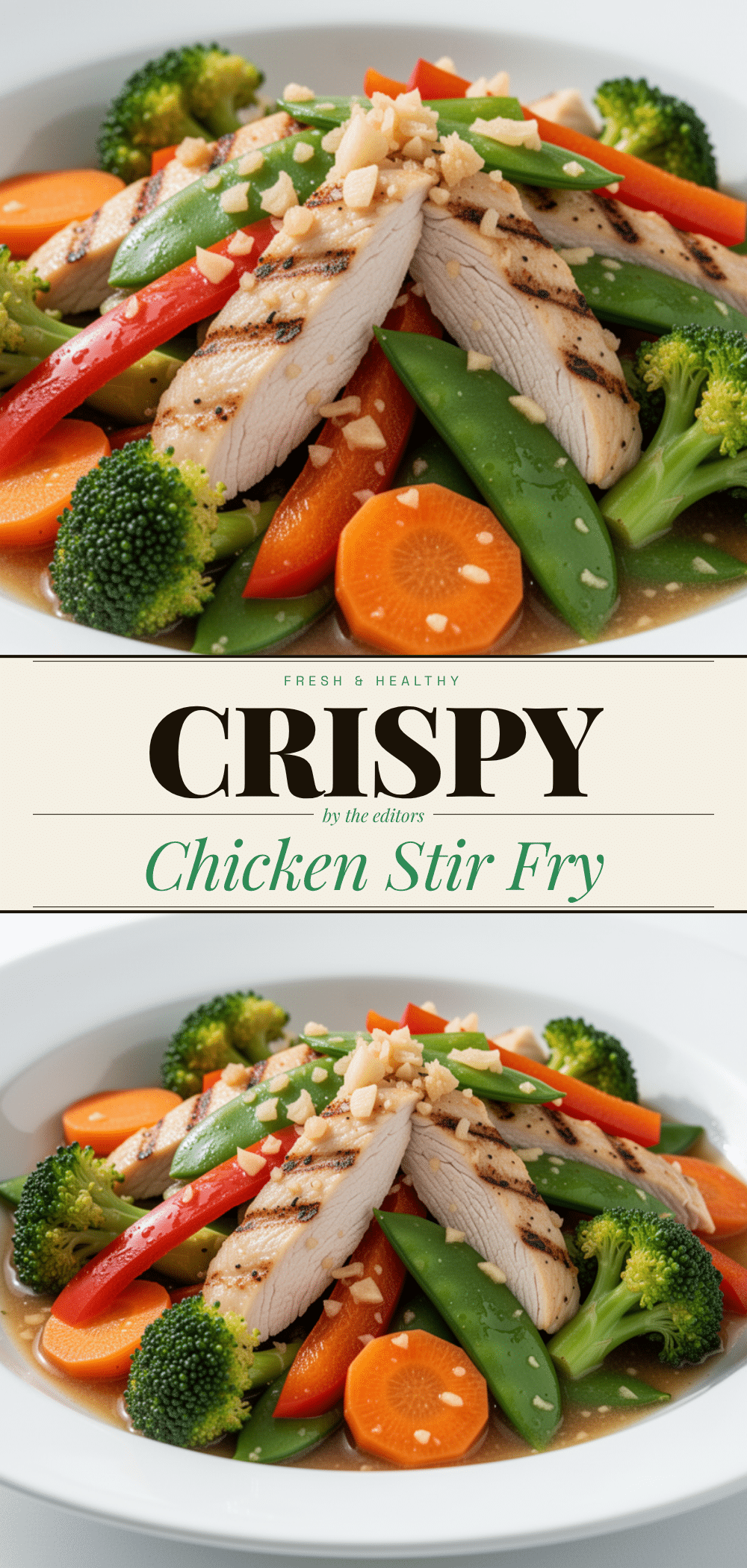
Healthy Chicken and Vegetable Stir Fry with Ginger Sauce
- Total Time: 30 minutes
- Yield: 4 servings 1x
Description
A quick, vibrant, and healthy weeknight dinner featuring juicy chicken thighs and crisp vegetables tossed in a bright, zingy ginger sauce. Ready in just 20 minutes.
Ingredients
- 1.5 lbs boneless, skinless chicken thighs, cut into bite-sized pieces
- 1 tablespoon cornstarch (for chicken)
- 1 tablespoon soy sauce (low-sodium)
- 1 teaspoon sesame oil
- 2 cups broccoli florets
- 1 cup snap peas or snow peas
- 1 medium red bell pepper, sliced
- 1–2 medium carrots, julienned or thinly sliced
- 4–5 stalks green onions, chopped (white and green parts separated)
- 1 tablespoon fresh ginger, minced
- 3 cloves garlic, minced
- 2 tablespoons rice vinegar
- 2 tablespoons honey or maple syrup
- 2 tablespoons soy sauce (for sauce)
- 1/4 cup low-sodium chicken broth
- 1 teaspoon cornstarch (for sauce slurry)
- 1 tablespoon cold water (for sauce slurry)
- 1/2 teaspoon red pepper flakes (optional)
- 1 tablespoon sesame seeds (for garnish)
- 2 tablespoons neutral oil (divided)
Instructions
- Cut chicken thighs into bite-sized pieces. In a bowl, toss with 1 tablespoon soy sauce, 1 teaspoon sesame oil, and 1 tablespoon cornstarch. Let sit while prepping veggies.
- Wash and chop vegetables: slice bell pepper, julienne carrots, cut broccoli into small florets, mince garlic and ginger, and chop green onions.
- In a small bowl, whisk together rice vinegar, honey, 2 tablespoons soy sauce, minced ginger, minced garlic, red pepper flakes, and chicken broth. In a separate cup, mix 1 teaspoon cornstarch with 1 tablespoon cold water to create a slurry.
- Heat 1 tablespoon neutral oil in a wok or skillet over medium-high heat. Add chicken in a single layer and cook for 3-4 minutes until golden brown, then flip and cook for another 2-3 minutes until cooked through. Remove chicken and set aside.
- Add remaining 1 tablespoon oil to the pan. Add carrots and broccoli, stir-frying for 2 minutes. Add bell peppers and snap peas, cooking for another 1-2 minutes until tender-crisp. Add white parts of green onions and cook for 30 seconds.
- Return chicken to the pan. Stir the sauce mixture and pour it over the chicken and vegetables. Toss everything together until the sauce thickens and coats the ingredients evenly (about 30-60 seconds).
- Remove from heat. Garnish with green onion tops and sesame seeds. Serve immediately over steamed rice, quinoa, or cauliflower rice.
Notes
Use fresh ginger for the best flavor. Do not skip the cornstarch on the chicken as it creates a velvety texture. Ensure high heat for proper stir-frying to avoid steaming the vegetables. Prep all ingredients before turning on the heat. For a gluten-free version, use tamari instead of soy sauce.
- Prep Time: 15 minutes
- Cook Time: 15 minutes
- Category: Main Course
- Cuisine: Asian
Nutrition
- Serving Size: 1 cup stir fry with
- Calories: 380
- Sugar: 10
- Sodium: 650
- Fat: 14
- Saturated Fat: 3
- Carbohydrates: 35
- Fiber: 5
- Protein: 28
Keywords: healthy chicken stir fry, ginger sauce, quick weeknight dinner, easy stir fry, chicken and vegetables, ginger garlic sauce, healthy meal prep