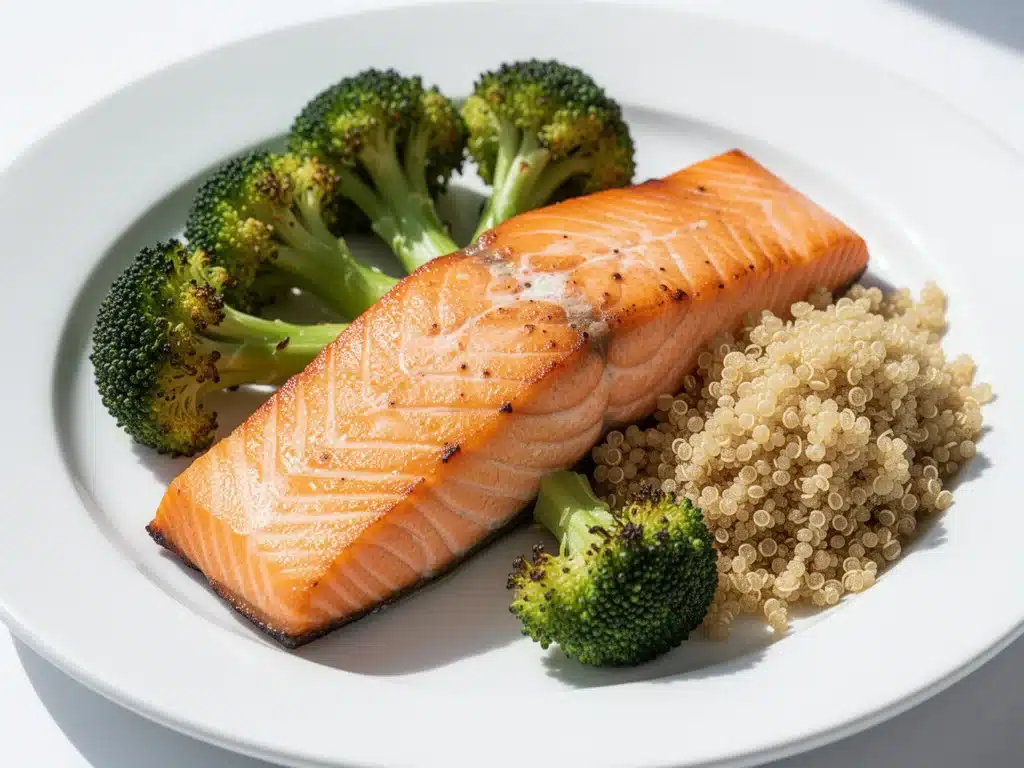
There was a specific Tuesday about three months ago when I came home from work feeling like my brain had been replaced with static. You know that feeling? You’re hungry, you’re tired, and the idea of cooking feels like a massive undertaking that requires a degree in chemistry. I stood in front of my open fridge, staring at a sad head of broccoli and a piece of salmon that had been marinating in the back since Sunday, wondering if I should just order takeout again.
But here’s the thing: I was trying to hit my protein goals for the gym, and takeout was never going to cut it. I needed something fast, something healthy, but mostly, something that didn’t involve washing a mountain of pots and pans afterward. I decided to throw everything onto one sheet pan. Salmon, broccoli, quinoa, olive oil, lemon. I put it in the oven and went to take a shower. Twenty minutes later, I walked out to the most incredible smell—roasted fish and charred veggies—and a dinner that was already plated.
I ate it standing up over the sink because I was too hungry to wait. It was good. Really good. But the best part? There was literally zero cleanup. That single sheet pan dinner became my lifeline. Since then, I’ve made this high-protein sheet pan salmon with broccoli and quinoa at least a dozen times. It’s become my go-to for busy nights, meal prep Sundays, and even those “I need to eat clean but I’m too lazy to think” moments. If you’re looking for a recipe that actually works in real life, this is it. It’s simple, it’s nutritious, and it tastes like you put in effort (even though you didn’t).
Why You’ll Love This High-Protein Sheet Pan Salmon
I’m not going to lie to you—there are a million “healthy dinner” recipes out there. Some are bland. Some take forever. Some require ingredients you can’t pronounce. This high-protein sheet pan salmon recipe is different because it respects your time and your taste buds. I’ve tested variations of this for months, tweaking the ratios and cooking times, and this is the version that actually gets made over and over again.
Stupid Simple Cleanup
Seriously. One pan. One dish. That’s it. If you can line a baking sheet with parchment paper or foil, you can cook this dinner. I’ve made this on nights when I didn’t even have the energy to turn on the faucet. The cleanup is a rinse and done. It’s a game-changer for mental load.
Protein-Packed & Satisfying
This isn’t a sad salad. Between the wild-caught salmon, the fluffy quinoa, and the fiber-rich broccoli, you’re getting a massive hit of protein and nutrients in every bite. I feel full for hours after eating this. It stabilizes my energy levels way better than a carb-heavy pasta dish would. My husband, who is skeptical of “diet food,” asks for this on repeat because it’s hearty and flavorful.
Meal Prep Friendly
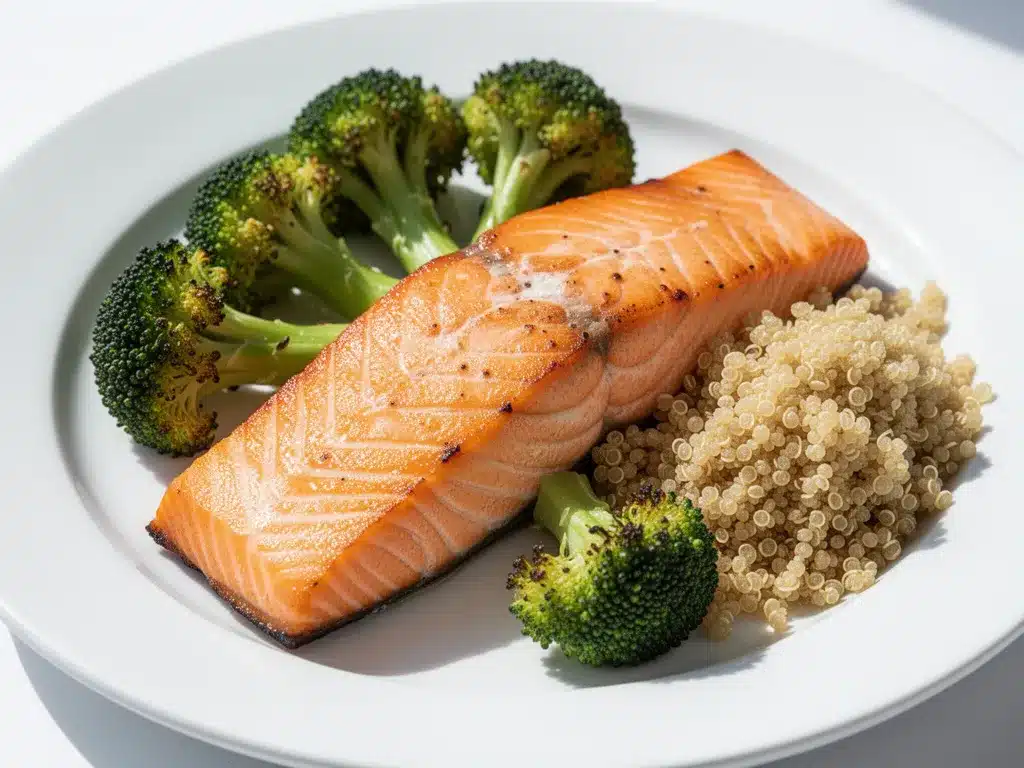
Here’s the secret weapon: this tastes just as good (if not better) the next day. I make a double batch on Sundays. The flavors meld together in the fridge, and the salmon stays moist. It’s perfect for packing lunches or grabbing a quick dinner after work. I’ve been known to eat this cold straight from the container because it’s that good.
Flexible & Forgiving
Did you forget to defrost the salmon? No problem. Use frozen fillets and just add 5-10 minutes to the cook time. Don’t have quinoa? Rice or farro works. Hate broccoli? Swap in asparagus or green beans. This recipe is a template for success, not a rigid set of rules. It adapts to your pantry and your preferences.
Ingredients You’ll Need
The beauty of this high-protein sheet pan salmon recipe is that the ingredient list is short. I’m talking five core ingredients. You probably have most of these in your kitchen right now. I’m particular about quality here, but not in a pretentious way—just in a “this makes a difference” way.
For the Main Event:
Salmon fillets (1.5 lbs / 680g) — I always buy wild-caught Alaskan salmon if I can find it. It has a better texture and flavor than farmed. Look for fillets that are roughly the same size so they cook evenly. If you’re using frozen, make sure they’re fully thawed before seasoning. Skin-on or skin-off is your call, but skin-on helps keep it moist.
Broccoli florets (2 large heads / about 600g) — Fresh is best here. Cut them into even-sized florets. I like to keep the stems on if they’re tender, but peel and slice the thick parts so they cook at the same rate as the florets. You want that nice char.
Quinoa (1 cup dry / 185g) — I use white quinoa because it’s fluffier, but red or tri-color works too. Make sure it’s uncooked for this recipe. You’ll be cooking it on the sheet pan or pre-cooking it—more on that in the steps. Quinoa adds that nutty texture and keeps the meal plant-based friendly (aside from the fish).
Extra virgin olive oil (3 tablespoons / 45ml) — Don’t skimp here. The oil helps roast the veggies and keeps the salmon from drying out. Use a good quality oil that you enjoy eating. If it tastes bitter in the bottle, it’ll taste bitter in the dish.
Garlic (4 cloves, minced / about 1 tablespoon) — Fresh garlic is non-negotiable. Jarred garlic has a metallic taste that clashes with the delicate salmon. Mince it yourself. It takes 30 seconds and makes a world of difference.
For the Seasoning:
Lemon (1 large, juiced and zested) — The acid cuts through the richness of the salmon. Zest the lemon before you juice it. The zest has all the aromatic oils. Squeeze the juice over everything right before serving.
Dried oregano (1 teaspoon) — Gives it that Mediterranean vibe. If you have fresh oregano, use twice as much, but dried holds up better to the oven heat.
Sea salt and black pepper — To taste. I use flaky sea salt for finishing if I have it.
Equipment Needed
You don’t need fancy gadgets for this. Just basic kitchen stuff.
Large sheet pan — I use a standard half-sheet pan (18×13 inches). It needs to be big enough that the salmon and broccoli aren’t crowding each other. If they’re touching too much, they steam instead of roast. If your pan is small, use two pans.
Parchment paper or aluminum foil — I prefer parchment for easy cleanup. It prevents sticking and means you don’t have to scrub the pan. Foil works too, but you might need to oil it.
Measuring cups and spoons — Standard stuff. I keep a set on my counter.
Sharp knife and cutting board — For prepping the broccoli and garlic.
Small bowl — For mixing the olive oil and seasonings.
How to Make It: Step-by-Step
Alright, let’s get cooking. This is straightforward, but there are a few tricks to ensure the salmon doesn’t dry out and the broccoli actually gets crispy.
Step 1: Prep the Quinoa
This is the one step that takes some planning. You can cook the quinoa ahead of time, but I like to cook it on the sheet pan too to save a pot. If you’re pre-cooking it, make 1 cup of quinoa according to package directions and let it cool. If you’re doing it all on the pan, rinse 1 cup of dry quinoa and spread it in a small aluminum foil boat or a small oven-safe dish on the sheet pan. Add 2 cups of water or broth, cover tightly with foil, and place it in the oven for the first 15 minutes of cooking. This ensures it’s fluffy and ready by the time the fish is done.
Step 2: Preheat and Prep the Pan
Preheat your oven to 400°F (200°C). Line your large sheet pan with parchment paper. This is non-negotiable for easy cleanup. If you skip this, you’ll be scrubbing baked-on fish oil for hours.
Step 3: Season the Veggies
Place the broccoli florets on the sheet pan. Drizzle with 1 tablespoon of olive oil. Sprinkle with half the garlic, half the oregano, salt, and pepper. Toss everything with your hands until the broccoli is evenly coated. Spread it out in an even layer. You want space between the florets so they roast, not steam.
Step 4: Add the Salmon
Pat the salmon fillets dry with a paper towel. This helps the skin crisp up if you’re leaving it on. Place the fillets on the sheet pan, next to the broccoli. Don’t overlap them. Drizzle the remaining 2 tablespoons of olive oil over the salmon. Rub the remaining garlic and oregano onto the fish. Season generously with salt and pepper. The salt should feel like a light dusting, not a crust.
Step 5: Roast
Place the sheet pan in the preheated oven. Roast for 12-15 minutes. The exact time depends on the thickness of your fillets. You know it’s done when the salmon flakes easily with a fork and is opaque throughout. The broccoli should be tender-crisp with some charred edges. If your salmon is very thick, you might need 18 minutes. If it’s thin, check at 10 minutes.
Step 6: Finish and Serve
Remove the pan from the oven. Squeeze the fresh lemon juice over everything. Zest the lemon over the top for that bright, citrusy aroma. If you cooked the quinoa separately, fluff it with a fork and mix it with the roasted veggies and salmon. If you cooked it on the pan, just scoop it all up. Serve immediately.
Expert Tips & Tricks
Here’s everything I’ve learned from making this dozens of times. These tips will save you from my mistakes.
Don’t Crowd the Pan
This is the #1 mistake people make. If the salmon and broccoli are piled on top of each other, they steam. Steam makes soggy salmon and mushy broccoli. Roasting makes them delicious. Use a large pan. If you don’t have one, use two. Your food will thank you.
Pat the Salmon Dry
Wet salmon = steamed salmon. Always pat your fillets dry with paper towels before oiling and seasoning. It helps the seasoning stick and promotes browning.
Use a Meat Thermometer
I know, it’s extra work. But it’s the only way to guarantee perfect salmon every time. Pull the salmon when it reaches 145°F (63°C) internally. It will continue to cook slightly as it rests. If you don’t have a thermometer, look for the flake test: insert a fork into the thickest part and twist gently. If it flakes apart easily, it’s done.
Toast the Quinoa
If you’re cooking the quinoa on the pan, adding a pinch of salt to the water before baking helps it absorb flavor. If you’re pre-cooking it, rinse it well to remove the bitter saponin coating.
Leftover Hack
Leftover salmon is great cold on salads or warmed up gently. Reheat it in the microwave for 30 seconds max, or it will get rubbery. Better yet, flake it into a wrap with some avocado.
Variations & Substitutions
Once you’ve nailed the basic version, here’s how you can mix it up. I’ve tried all of these.
Shrimp Swap
Shrimp cooks faster than salmon. Use 1 lb of large shrimp. Roast for 8-10 minutes only. Add them in the last 5 minutes of the broccoli roasting so they don’t overcook.
Asparagus Instead of Broccoli
Asparagus is delicious with salmon. Use 1 lb of asparagus, trimmed. Toss with oil and salt. Roast for 10-12 minutes. It’s faster and feels a bit more elegant.
Spicy Kick
Add ½ teaspoon of red pepper flakes to the olive oil mixture. Or sprinkle cayenne pepper on the salmon before roasting. It adds a nice heat that balances the lemon.
Dairy-Free
This recipe is naturally dairy-free. Just ensure your quinoa is cooked with water or vegetable broth, not milk.
Gluten-Free
Quinoa and salmon are naturally gluten-free. Just check your oregano and lemon juice to ensure no hidden gluten additives. This is a safe bet for celiacs.
Serving & Storage
How to serve this high-protein sheet pan salmon recipe for maximum enjoyment.
How to Serve
I usually serve this straight from the sheet pan to the table. It looks rustic and inviting. Add lemon wedges on the side for extra squeeze. A simple arugula salad with a vinaigrette pairs perfectly if you want more greens.
Storage
Store leftovers in an airtight container in the fridge for up to 3 days. The salmon stays moist if stored with the quinoa and veggies, as the flavors keep it from drying out.
Reheating
Reheat gently. Microwave in 30-second intervals, or warm in a skillet over low heat with a splash of water. Avoid high heat, which makes the salmon tough.
Freezing
I don’t recommend freezing this dish. The texture of the salmon and broccoli changes after freezing and thawing. It’s best eaten fresh or refrigerated.
Nutrition Information
I’m not a nutritionist, but here’s the breakdown if you’re tracking. This is per serving based on 4 servings.
| Nutrient | Amount |
|---|---|
| Calories | 450 |
| Protein | 35g |
| Carbs | 30g |
| Fiber | 6g |
| Fat | 18g |
| Sodium | 300mg |
It’s high in protein, rich in omega-3s from the salmon, and packed with fiber from the quinoa and broccoli. It’s a balanced, satisfying meal that supports an active lifestyle.
Final Thoughts
So that’s my go-to high-protein sheet pan salmon recipe! I’ve probably talked your ear off at this point, but when you make a recipe this often, you have a lot to say about it. This has saved me from takeout more times than I can count. It’s my answer to “what’s for dinner” when I’m tired, want to eat clean, and still want something that tastes amazing. My family loves it, my gym buddies approve, and I love the fact that I get to relax while it cooks.
Make it yours! Try different veggies, swap the quinoa for rice, or add some cherry tomatoes for sweetness. The best recipes are the ones you adapt to your tastes. If you make this, drop a comment and let me know what you think! I love hearing how recipes turn out in your kitchen. And if something doesn’t work, tell me that too—I’m here to help troubleshoot.
Happy cooking! And I hope your kitchen smells half as good as mine does right now.
Frequently Asked Questions
Can I use frozen salmon?
Yes, but you need to thaw it completely first. Pat it very dry before seasoning. If you put frozen salmon on the pan, it will release too much water and steam instead of roast. You can add 5 minutes to the cook time if the fillets are still a bit cold.
How do I know when the salmon is done?
The best way is a meat thermometer. Target 145°F internally. If you don’t have one, look for opacity. The fish should be opaque throughout and flake easily with a fork. If it’s still translucent in the middle, give it 2 more minutes.
Can I cook the quinoa separately?
Absolutely. I actually prefer this method for better texture. Cook 1 cup of quinoa in 2 cups of water or broth on the stove for 15 minutes. Let it cool slightly, then toss it with the roasted veggies and salmon. It saves the oven space and gives you fluffier quinoa.
Why is my salmon dry?
Overcooking is the main culprit. Salmon cooks quickly. Check it early. Also, if your fillets are very thin, they dry out faster. Adjust cook time based on thickness. Don’t leave it in the oven for the full 15 minutes if it’s thin.
Can I add other vegetables?
Yes! Asparagus, green beans, zucchini, and bell peppers all work well. Just keep in mind that some veggies cook faster than others. Add quick-cooking veggies in the last 10 minutes, and harder veggies like carrots or potatoes at the beginning.
Is this recipe keto-friendly?
Not exactly, due to the quinoa. Quinoa has about 30g of carbs per serving. If you’re on keto, swap the quinoa for cauliflower rice or skip the grain entirely and add more broccoli. The salmon and veggies are keto-friendly.
Pin This Recipe!
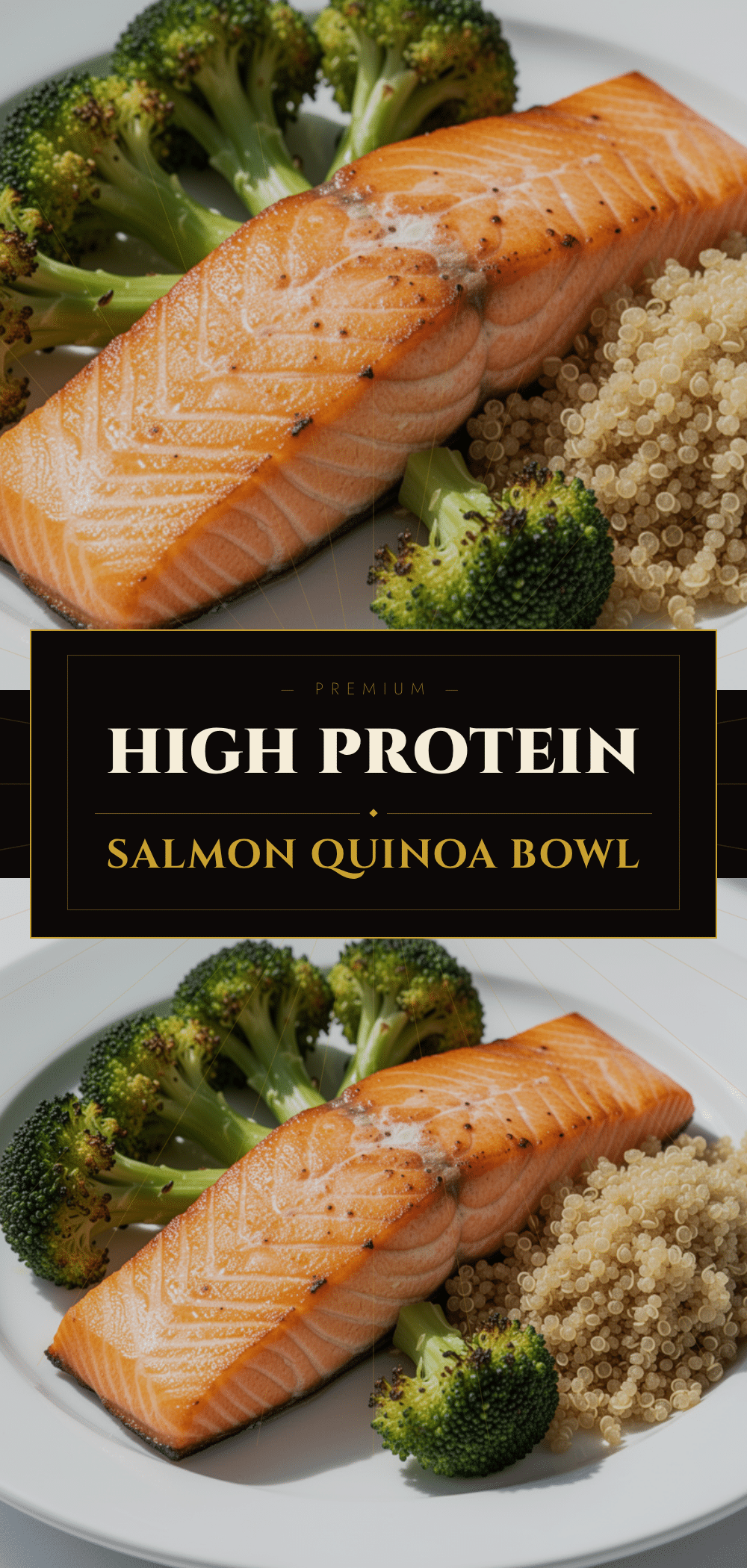
High-Protein Sheet Pan Salmon: 5-Ingredient Easy Dinner
- Total Time: 35 minutes
- Yield: 4 servings 1x
Description
A simple, high-protein sheet pan dinner featuring wild-caught salmon, broccoli, and quinoa. This recipe is designed for easy cleanup, meal prep, and busy weeknights, requiring only one pan and minimal effort.
Ingredients
- 1.5 lbs wild-caught salmon fillets
- 2 large heads broccoli (about 600g), cut into florets
- 1 cup dry white quinoa (185g)
- 3 tablespoons extra virgin olive oil
- 4 cloves garlic, minced
- 1 large lemon (juiced and zested)
- 1 teaspoon dried oregano
- Sea salt and black pepper to taste
Instructions
- Preheat oven to 400°F (200°C). Line a large sheet pan with parchment paper.
- Prepare the quinoa: If cooking on the pan, rinse 1 cup quinoa, place in a foil boat or oven-safe dish with 2 cups water/broth, cover tightly, and bake for the first 15 minutes. Alternatively, cook quinoa separately according to package directions and let cool.
- Place broccoli florets on the sheet pan. Drizzle with 1 tablespoon olive oil and sprinkle with half the garlic, half the oregano, salt, and pepper. Toss to coat and spread in an even layer.
- Pat salmon fillets dry with paper towels. Place on the sheet pan next to the broccoli. Drizzle with remaining 2 tablespoons olive oil. Rub remaining garlic and oregano onto the fish and season generously with salt and pepper.
- Roast in the preheated oven for 12-15 minutes, or until salmon flakes easily with a fork and reaches an internal temperature of 145°F. Broccoli should be tender-crisp with charred edges.
- Remove from oven. Squeeze fresh lemon juice and zest over everything. If quinoa was cooked separately, fluff and mix with the roasted ingredients. Serve immediately.
Notes
Do not crowd the pan to ensure roasting instead of steaming. Pat salmon dry before seasoning for better browning. Use a meat thermometer to check for doneness (145°F). Quinoa can be cooked separately for better texture. Leftovers store well in the fridge for up to 3 days.
- Prep Time: 15 minutes
- Cook Time: 20 minutes
- Category: Main Course
- Cuisine: American
Nutrition
- Serving Size: 1 fillet with brocco
- Calories: 450
- Sugar: 2
- Sodium: 300
- Fat: 18
- Saturated Fat: 3
- Carbohydrates: 30
- Fiber: 6
- Protein: 35
Keywords: high protein, sheet pan dinner, salmon recipe, healthy dinner, meal prep, gluten-free, dairy-free, easy cleanup, quinoa, broccoli


