It was 6:45 PM on a Tuesday, and I was standing in front of my open refrigerator, staring into the abyss. You know the look. The light flickers, the crisper drawer is sad, and there’s a half-used jar of pickles that has been there since November. I was exhausted. The kind of tired where your brain turns to mush and the very idea of chopping vegetables felt like a personal attack. I wanted takeout. I wanted that sweet, sticky, spicy kick of Korean fried chicken or those beef bowls from the chain restaurant down the street.
But then I remembered the bag of ground beef in the freezer and the tiny bottle of gochujang I’d bought on a whim three months ago and never used. I had rice cooking. I had five minutes before it was too late to order Uber Eats. So, I threw together what I thought would be a mediocre, rushed dinner. I didn’t have time to marinate the meat or slice anything fancy. I just threw it all in a skillet.
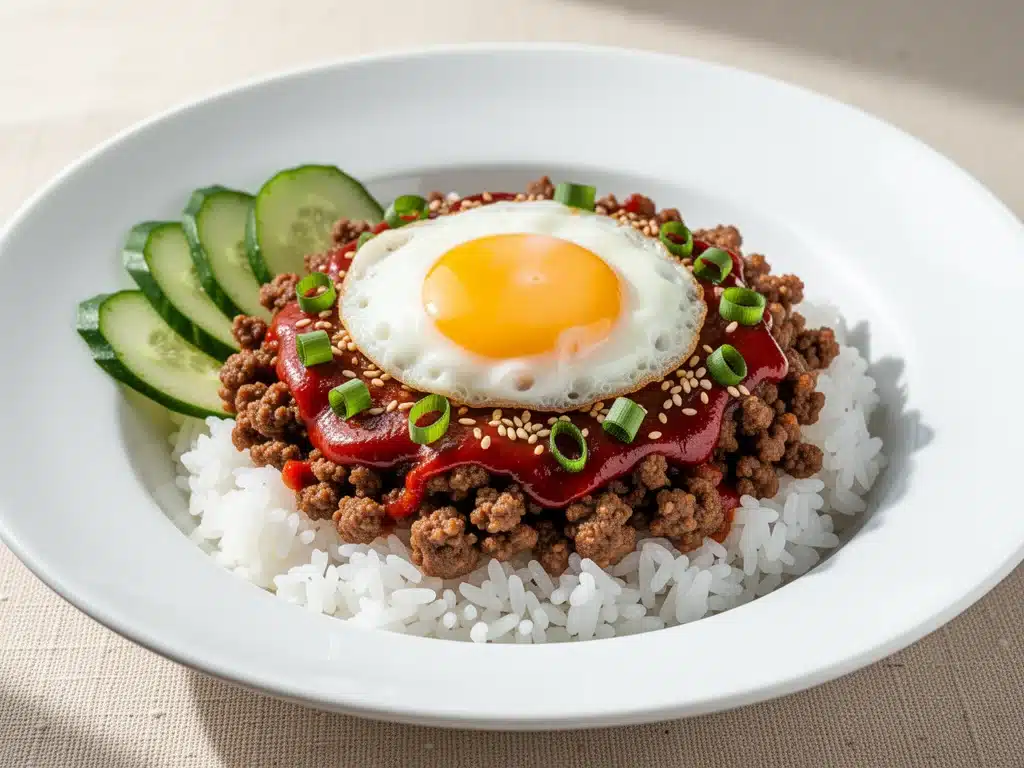
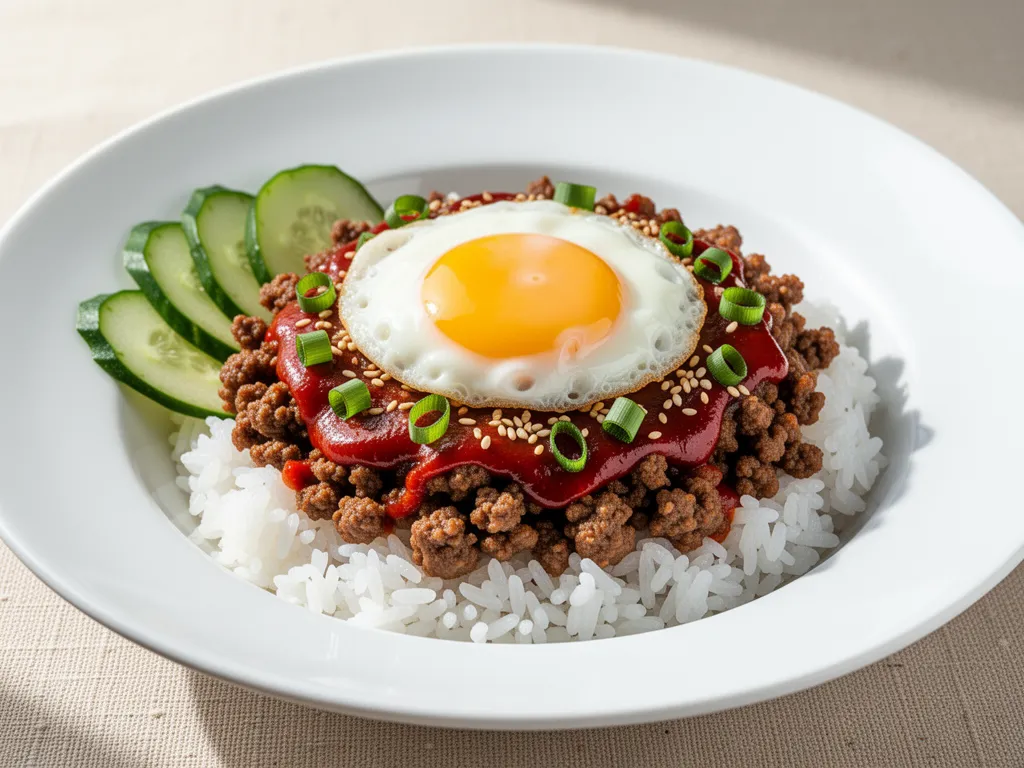
Thirty seconds later, the smell hit me. Sweet, savory, spicy, and deeply umami. It smelled like comfort. I plated it up with some quick-pickled cucumbers and a sprinkle of sesame seeds, took one bite, and immediately cancelled the food delivery app. This wasn’t just “good for a quick meal.” This was restaurant-quality Korean Ground Beef Rice Bowls with Gochujang Glaze, made in less time than it takes to drive to the restaurant and back.
That night changed my weeknight routine. I’ve made these bowls at least twenty times since then—sometimes with chicken, sometimes with turkey, sometimes with zero vegetables because I was too tired to chop. But the core magic remains the same: that glossy, sticky, spicy-sweet glaze that clings to every grain of rice and every piece of meat. It’s the ultimate busy-weeknight savior. If you’re tired of the same old chicken and rice rotation, you need to try this. It’s fast, it’s flavorful, and it’s going to become your new best friend in the kitchen.
Why You’ll Love This Gochujang Beef Bowl Recipe
Let’s be real for a second. Weeknights are hard. We’re all juggling work, kids, chores, and the sheer exhaustion of existing. The last thing you want is a recipe that requires a PhD in cooking or a trip to the Asian grocery store for ingredients you’ve never heard of. This Korean Ground Beef Rice Bowls with Gochujang Glaze recipe works because it respects your time and your pantry.
Here’s why this has completely replaced my takeout habit:
- Stupid Simple Technique — There’s no marinating overnight. No complex knife skills. You just brown the beef, dump in the sauce ingredients, and let it simmer. If you can stir a pot, you can make this. I’ve made this while my toddler sat on my lap. It works.
- Lightning Fast — From the moment you turn on the stove to the moment you take the first bite, it’s about 15 minutes. The beef cooks in 5 minutes. The sauce thickens in 3. The rice? Well, that’s doing its own thing. This is the fastest hot dinner I know.
- Pantry-Friendly Base — You probably have the soy sauce, brown sugar, garlic, and ginger already. The only “specialty” item is gochujang paste. But here’s the thing: it keeps forever in the fridge. Once you buy it, you’ll use it in stir-fries, marinades, and dips, so it’s not a waste.
- Flavor Bomb — Most quick dinners are bland. This isn’t. The combination of sweet brown sugar, salty soy sauce, spicy gochujang, and nutty sesame oil creates a flavor profile that is addictive. My kids ask for this specifically. Not “dinner,” but “the spicy beef bowl.”
- Meal Prep Magic — I make a double batch on Sundays. The beef reheats beautifully in the microwave, and the flavors actually get better the next day. It’s the perfect lunch for work, or a quick dinner when you’re too tired to think.
This recipe is my answer to “what’s for dinner?” when I have no energy. It’s reliable, it’s delicious, and it makes me look like I tried way harder than I actually did. And honestly? That’s the best kind of cooking.
Ingredients You’ll Need
Here’s the best part: you don’t need a whole new set of ingredients. I’m particular about three things here, but mostly, this is a pantry-driven recipe. Let’s break down what you need and why it matters.
For the Beef Base
Ground beef (1 pound / 450g) — I use 80/20 fat ratio. Yes, it’s fatty, but that fat carries the flavor. Lean beef turns dry and crumbly in this sauce. If you want to be healthier, you can use 90/10, but 80/20 is what makes it juicy. You can also use ground turkey or chicken if you prefer, though the texture will be slightly different.
Cooking oil (1 tablespoon) — Neutral oil like vegetable or canola works fine. I use this to start the browning process so the beef doesn’t stick to the pan.
For the Gochujang Glaze
Gochujang paste (2-3 tablespoons) — This is the heart of the recipe. It’s a fermented Korean chili paste. It’s spicy, sweet, and savory all at once. Look for it in the Asian aisle of most grocery stores (like Huy Fong or CJ brands). If you can’t find it, sriracha mixed with a little soy sauce and sugar is a weak substitute, but it’s not the same. Don’t skip it if you can help it.
Soy sauce (3 tablespoons) — I use regular soy sauce, not low-sodium. This recipe has enough sugar to balance the salt. If you use low-sodium, you might need to add a pinch of salt later. Tamari is a great gluten-free alternative.
Brown sugar (2 tablespoons) — This adds the caramel sweetness that balances the heat of the gochujang. Light brown sugar is fine, but dark brown has a deeper molasses note that I love. Pack it down when you measure.
Rice vinegar (1 tablespoon) — This adds a necessary acidity to cut through the richness of the beef and the sweetness of the sugar. Apple cider vinegar works in a pinch, but rice vinegar is more authentic and milder.
Sesame oil (1 teaspoon) — Toasted sesame oil. Not the raw kind used for frying. This is the dark, nutty oil that smells amazing. A little goes a long way. Don’t skimp, but don’t overdo it or it’ll taste bitter.
Garlic (3 cloves, minced) — Fresh garlic is non-negotiable here. Jarred garlic has a metallic taste that clashes with the delicate sweetness of this glaze. Mince it finely so it dissolves into the sauce.
Fresh ginger (1 teaspoon, grated) — Again, fresh is best. Grate it on a microplane so it melts into the sauce. If you’re being lazy, ½ teaspoon of ground ginger works, but the fresh stuff adds a bright, zesty kick that makes this taste “restaurant quality.”
For the Garnish & Serving
Sesame seeds (1 tablespoon, toasted) — These add a nice crunch and nutty aroma. Toast them in a dry pan for 2 minutes until they smell fragrant. It’s an easy step that elevates the dish.
Green onions (2-3 stalks, thinly sliced) — For color and a fresh, sharp bite. The white parts can go in the pan with the beef if you want extra flavor, but the green tops are best as a garnish.
Steamed jasmine or short-grain rice (2-3 cups cooked) — Short-grain rice is stickier and holds the sauce better, but jasmine is easier to find and still works great. Just make sure it’s hot when you serve.
Optional Veggies — I like to throw in some thinly sliced bell peppers or carrots when I sauté the beef. It adds crunch and makes it feel more like a balanced meal. But honestly? The beef and sauce are so good, you don’t even need them.
Equipment Needed
You don’t need fancy gadgets for this. Here’s what I actually use:
Large skillet or wok — I use a 12-inch non-stick skillet. It needs to be wide enough to spread the beef in a single layer so it browns properly. If you use a small pan, the beef steams instead of browning, and you lose that nice texture. A wok works too, but you need to stir constantly.
Wooden spoon or spatula — For breaking up the beef and stirring the sauce. Non-stick safe is key here.
Rice cooker — I’m obsessed with mine. It takes the stress out of cooking rice. But a pot on the stove works perfectly fine too. Just remember to let it rest for 10 minutes after cooking so the grains fluff up.
Small bowl — For mixing the glaze ingredients. It’s faster to mix the sauce in a bowl first so you don’t have to measure directly into the hot pan.
Microplane or fine grater — For the fresh ginger. If you don’t have one, just mince it as finely as humanly possible.
Measuring spoons — Standard stuff. Make sure you have a tablespoon and a teaspoon.
How to Make It: Step-by-Step
Alright, let’s make this! I’m walking you through exactly how I do it, including the little tricks I’ve picked up over dozens of batches.
Step 1: Start the Rice
Before you do anything else, get your rice cooking. It takes about 20 minutes, but most of that is hands-off. If you’re short on time, you can use instant rice, but fresh-cooked is worth the wait. Keep it warm on the “keep warm” setting until you’re ready to serve.
Step 2: Mix the Glaze
In a small bowl, whisk together the gochujang paste, soy sauce, brown sugar, rice vinegar, sesame oil, minced garlic, and grated ginger. Whisk until the brown sugar is fully dissolved and the mixture is smooth. It should look like a thick, glossy, dark red-brown sauce. Taste it—it should be spicy, sweet, and salty. Adjust if needed. If you want it spicier, add more gochujang. If you want it sweeter, add a pinch more sugar.
Step 3: Brown the Beef
Heat the neutral oil in your large skillet over medium-high heat. Add the ground beef. Use your wooden spoon to break it up into small crumbles as it cooks. You want small pieces, not big chunks, so the sauce can coat everything evenly. Cook for about 5-6 minutes until the beef is no longer pink and has some browned bits. Don’t rush this step. Browning the beef adds flavor. If there’s a lot of excess grease, drain it off, but leave a little bit for flavor.
Step 4: Add the Sauce
Reduce the heat to medium-low. Pour the gochujang glaze over the browned beef. Stir well to combine, making sure the sauce coats every piece of meat. Let it simmer gently for 3-4 minutes. The sauce will bubble and thicken. It will become glossy and sticky, clinging to the beef. This is where the magic happens. The flavors meld together, and the sauce reduces to a perfect coating consistency.
Step 5: Finish and Serve
Once the sauce is thick and sticky, remove the pan from the heat. Taste one last time. Add a pinch of salt if needed, or a splash more sesame oil for aroma. To serve, spoon a generous layer of hot rice into bowls. Top with the spicy beef and glaze. Garnish with toasted sesame seeds and sliced green onions. If you’re adding veggies, throw them in now.
Total Time: About 15 minutes (5 minutes prep, 10 minutes cooking).
Built-in Troubleshooting
- Sauce too thin? Let it simmer longer. The goal is a glaze, not a soup. If it’s still too thin after 5 minutes, mix 1 teaspoon of cornstarch with 1 tablespoon of water and stir it in.
- Sauce too thick? Add a splash of water or beef broth to loosen it up. It should coat the back of a spoon, not be a solid block.
- Too spicy? Add a little more brown sugar or a splash of rice vinegar to balance the heat. Or serve with a dollop of cool sour cream or Greek yogurt.
Expert Tips & Tricks
Here’s everything I’ve learned from making this dozens of times. These tips will save you from my mistakes.
Toast Your Sesame Seeds
This is the #1 upgrade. Raw sesame seeds are fine, but toasted sesame seeds smell incredible and add a nutty crunch. Just put them in a dry pan over medium heat for 2-3 minutes, shaking constantly, until they’re golden and fragrant. It takes 2 minutes and makes the dish feel fancy.
Don’t Skip the Browning
I know it’s tempting to just dump the raw beef into the sauce. But browning the beef first creates Maillard reaction flavors that make the dish taste deeper and richer. If you skip this step, the beef will taste boiled, not braised.
Use Fresh Ginger and Garlic
I’ve tried using powder and jarred versions to save time. The fresh stuff makes a massive difference. The heat and brightness of fresh ginger cut through the heaviness of the beef. Fresh garlic adds a sweetness that powdered garlic just can’t match. Mincing 3 cloves takes 30 seconds. Do it.
Balance the Heat
Gochujang varies in spice level by brand. If you’re sensitive to heat, start with 2 tablespoons and add more to taste. You can always add spice, but you can’t take it away. My kids like it mild, so I use 2 tablespoons for them and 3 for adults.
Make a Big Batch
This recipe doubles easily. I often make 2 pounds of beef for meal prep. The leftovers taste even better the next day as the flavors deepen. Store in an airtight container in the fridge for up to 4 days.
Variations & Substitutions
Once you’ve nailed the basic version, here’s how you can mix it up. I’ve tried all of these.
Chicken Version
Swap ground beef for ground chicken or turkey. Chicken is leaner, so you might want to add an extra teaspoon of oil. Cook until just done, then add the sauce. It’s lighter but still delicious.
Veggie-Loaded
Add 1 cup of diced bell peppers, carrots, or zucchini when you sauté the beef. Cook them until tender-crisp before adding the sauce. It adds bulk and nutrients without changing the flavor profile much.
Egg Bowl
Top the finished bowl with a fried or soft-boiled egg. The runny yolk mixes with the spicy beef and rice to create an incredible creamy sauce. This is my favorite way to eat it.
Cauliflower Rice (Low-Carb)
Swap white rice for riced cauliflower. Sauté the cauliflower rice with a little butter before serving. It’s lighter and fits into a keto or low-carb diet. The sauce still tastes amazing over it.
Gluten-Free
Use tamari instead of soy sauce. Everything else is naturally gluten-free (just check your gochujang label, though most are GF). Serve with rice or rice noodles.
Spicy vs. Mild
For mild: Use 1 tablespoon gochujang and 2 tablespoons ketchup or honey.
For spicy: Use 4 tablespoons gochujang and add a dash of chili flakes.
Serving & Storage
How to Serve:
I serve this straight from the skillet at the dinner table—it looks rustic and stays warm. But here are other ways I’ve enjoyed it:
- Classic Bowl Rice, beef, green onions, sesame seeds.
- Loaded Bowl Rice, beef, pickled cucumbers, shredded carrots, cilantro, and a fried egg.
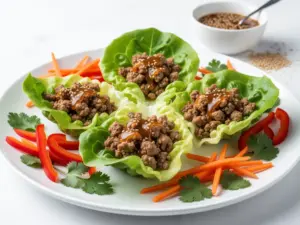
- Wrap Style Spoon the beef into lettuce cups or sesame wraps for a low-carb option.
Side Dishes:
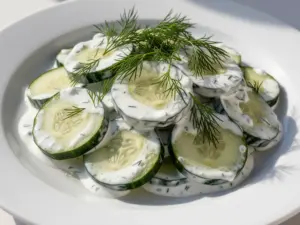
Simple cucumber salad with rice vinegar and sugar. Steamed broccoli with sesame oil. Or just plain kimchi for extra tang.
Storage Instructions:
Store leftovers in an airtight container in the refrigerator for up to 4 days. The sauce will thicken in the fridge—totally normal.
Reheating:
Best method: Add a splash of water or broth to the beef in a skillet over low heat. Stir until heated through and the sauce loosens up.
Microwave method: Heat in 1-minute intervals, stirring between. Add a splash of water if it looks dry.
Freezing:
You can freeze the beef mixture for up to 3 months. Thaw in the fridge overnight and reheat as above. The texture of the beef might be slightly softer, but the flavor remains great.
Nutrition Information
I’m not a nutritionist, but here’s the breakdown if you’re tracking. This is per serving based on 4 servings (1 cup rice + ½ cup beef mixture).
- Calories: ~450
- Protein: 25g
- Carbs: 50g
- Fiber: 1g
- Sugar: 8g (from brown sugar and gochujang)
- Fat: 18g
- Sodium: 600mg (varies based on soy sauce)
Look, this is comfort food. It’s not a diet recipe. But it’s way better than takeout, costs less, and I know exactly what’s in it. When I want to make it lighter, I use ground turkey and cauliflower rice. But usually? I just eat a reasonable portion and enjoy it.
Final Thoughts
So that’s my go-to Korean Ground Beef Rice Bowls with Gochujang Glaze! I’ve probably talked your ear off at this point, but when you make a recipe this often, you have a lot to say about it. This has saved weeknight dinners more times than I can count. It’s my answer to “what’s for dinner” when I’m tired, don’t want takeout, and still want something that tastes really good. My kids are happy, my husband’s happy, and I’m happy because I’m not stressed about cooking.
Make it yours! Try different add-ins, swap in your favorite vegetables, adjust the garlic (though more is always better in my opinion). The best recipes are the ones you adapt to your family’s tastes.
If you make this, drop a comment and let me know what you think! I love hearing how recipes turn out in your kitchen. And if something doesn’t work, tell me that too—I’m here to help troubleshoot.
Happy cooking! And I hope your kitchen smells half as good as mine does right now.
Frequently Asked Questions
What is gochujang, and where do I find it?
Gochujang is a fermented Korean chili paste. It’s thick, red, and has a complex flavor that’s spicy, sweet, and savory. You can find it in the Asian aisle of most major grocery stores (look for Huy Fong or CJ brands). If you can’t find it, your local Asian market will definitely have it. It keeps in the fridge for months, so buy a jar—you’ll use it in marinades, dips, and other stir-fries.
Can I use sriracha instead of gochujang?
You can, but the flavor will be different. Sriracha is vinegar-forward and garlic-heavy, while gochujang is fermented and deeper. If you must substitute, use 2 tablespoons sriracha plus 1 tablespoon soy sauce and 1 teaspoon brown sugar to mimic the sweetness and saltiness. But honestly, gochujang is worth the trip to the store.
How spicy is this recipe?
It’s moderately spicy. The gochujang adds a warm, building heat, but the brown sugar and sesame oil balance it out. If you’re sensitive to spice, start with 2 tablespoons of gochujang. If you love heat, go for 4 tablespoons. You can also add red pepper flakes for extra kick.
Can I meal prep this?
Yes! This is perfect for meal prep. Cook the rice and beef mixture on Sunday. Store them in separate containers in the fridge for up to 4 days. When you’re ready to eat, reheat the beef with a splash of water and scoop over rice. The flavors actually get better after a day or two.
Can I freeze the beef mixture?
Absolutely. Let it cool completely, then store in an airtight container or freezer bag for up to 3 months. Thaw in the fridge overnight and reheat gently with a little water to loosen the sauce.
What rice should I use?
Short-grain Japanese rice is traditional and stickier, which helps it hold the sauce. Jasmine rice is also great and easier to find. Avoid long-grain rice like basmati, as it’s too fluffy and won’t hold the glaze as well.
Can I make this in an Instant Pot?
You can, but it’s not necessary. If you want to try, brown the beef using the Sauté function, then add the sauce ingredients and pressure cook for 0 minutes (just let it sit for 5 minutes). But honestly, the stovetop method is faster and gives better texture.
Pin This Recipe!
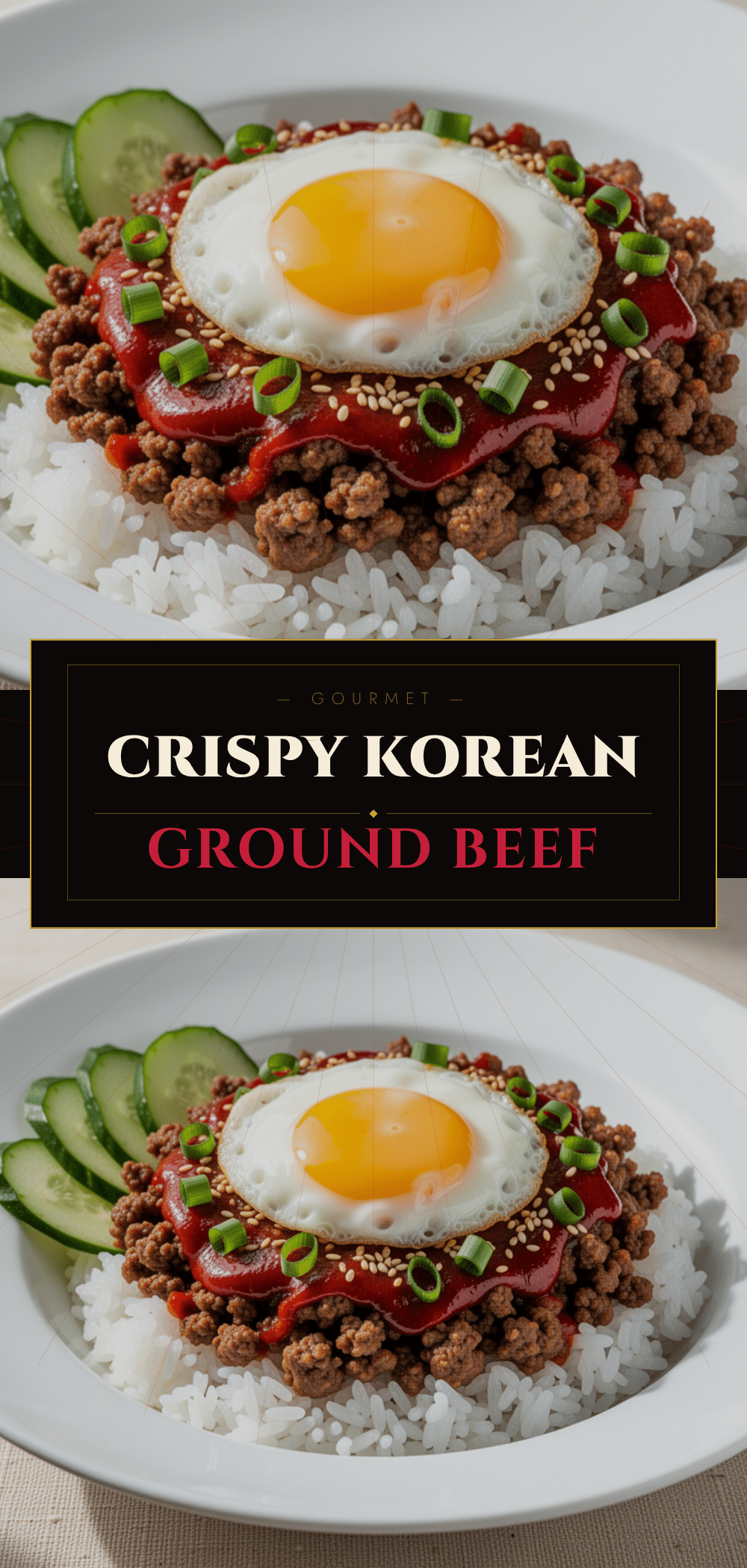
Korean Ground Beef Rice Bowls: 15-Min Easy Gochujang Dinner
- Total Time: 15 minutes
- Yield: 4 servings 1x
Description
A quick, pantry-friendly weeknight dinner featuring savory ground beef coated in a sweet, spicy, and sticky gochujang glaze, served over steamed rice.
Ingredients
- 1 pound ground beef (80/20 fat ratio recommended)
- 1 tablespoon neutral cooking oil (vegetable or canola)
- 2–3 tablespoons gochujang paste
- 3 tablespoons soy sauce (or tamari for gluten-free)
- 2 tablespoons brown sugar
- 1 tablespoon rice vinegar
- 1 teaspoon toasted sesame oil
- 3 cloves garlic, minced
- 1 teaspoon fresh ginger, grated
- 1 tablespoon toasted sesame seeds
- 2–3 stalks green onions, thinly sliced
- 2–3 cups cooked steamed jasmine or short-grain rice
Instructions
- Start the rice according to package directions and keep warm.
- In a small bowl, whisk together gochujang paste, soy sauce, brown sugar, rice vinegar, sesame oil, minced garlic, and grated ginger until smooth.
- Heat neutral oil in a large skillet over medium-high heat. Add ground beef and break into small crumbles with a wooden spoon.
- Cook beef for 5-6 minutes until browned and no longer pink. Drain excess grease if desired, but leave some for flavor.
- Reduce heat to medium-low. Pour the gochujang glaze over the beef and stir to coat evenly.
- Simmer for 3-4 minutes until the sauce thickens and becomes glossy and sticky.
- Remove from heat. Taste and adjust seasoning if needed.
- Serve the beef mixture over hot rice.
- Garnish with toasted sesame seeds and sliced green onions.
Notes
Toast sesame seeds in a dry pan for 2-3 minutes until fragrant for best flavor. Use fresh ginger and garlic for optimal taste. If the sauce is too thin, simmer longer or add a cornstarch slurry. If too thick, add a splash of water or broth. Leftovers store in the fridge for up to 4 days or freeze for up to 3 months.
- Prep Time: 5 minutes
- Cook Time: 10 minutes
- Category: Main Course
- Cuisine: Korean
Nutrition
- Serving Size: 1 cup rice + ½ cup b
- Calories: 450
- Sugar: 8
- Sodium: 600
- Fat: 18
- Carbohydrates: 50
- Fiber: 1
- Protein: 25
Keywords: Korean ground beef, gochujang, rice bowls, quick dinner, weeknight meals, spicy beef, easy recipe, 15 minute meals