Last Tuesday, I was standing in my kitchen at 9:30 PM, staring at a delivery app on my phone. I had been working late, my brain was fried, and I craved something salty, savory, and fast. I was about to pay $18 for a container of fried rice that I knew would arrive lukewarm and slightly soggy. Then I looked at my counter. There were two pounds of shrimp I’d bought for a salad three days ago (oops), a bag of frozen peas and carrots, a head of garlic that was starting to sprout, and—crucially—three cups of cold, day-old rice sitting in the fridge.
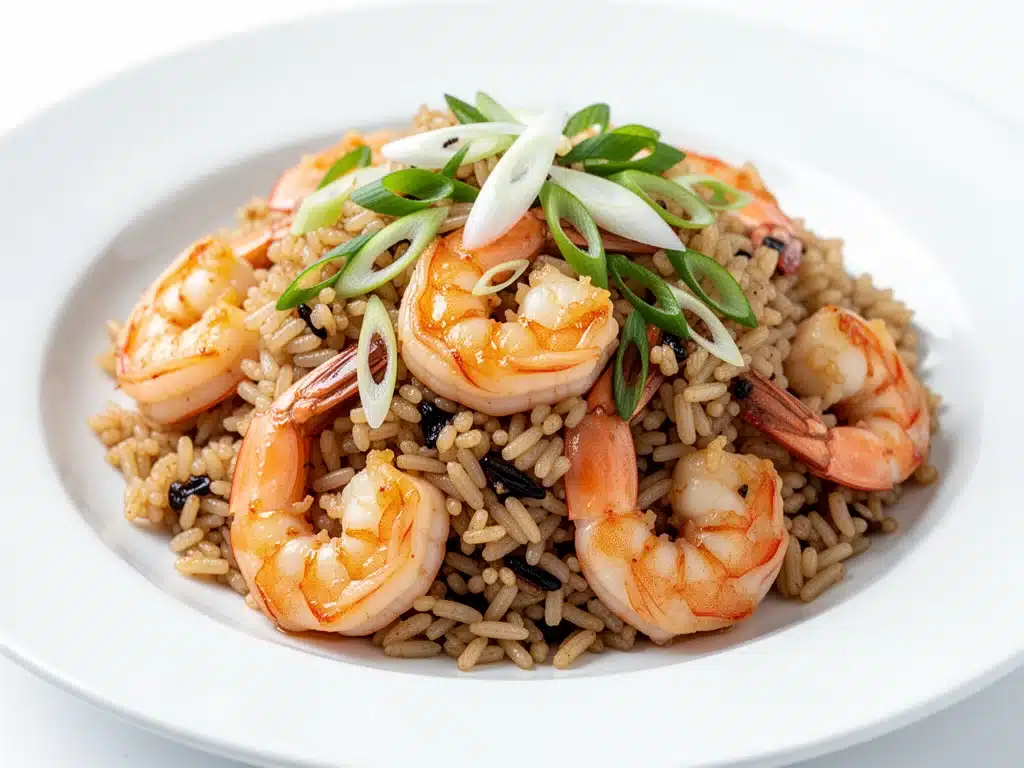
I almost ordered. But something made me close the app. So, I heated up a skillet, threw in a knob of butter, and threw this shrimp fried rice with garlic butter and scallions together in 15 minutes. When I took the first bite, I actually stopped scrolling. It was crispy on the edges, chewy in the middle, and packed with that deep, roasted garlic flavor that takes takeout places weeks to figure out. My husband walked in, sniffed the air, and said, “Is that the good stuff?” It was. And it cost me about $6 to make.
That night started a habit. I’ve made this shrimp fried rice at least four times in the last month. Sometimes I add corn. Sometimes I use leftover roast chicken if I’m out of shrimp. But the base—garlic butter, soy sauce, and those crispy fried scallions—remains the same. It’s become my go-to solution for “I don’t want to cook but I want to eat real food.” If you’re tired of bland, oily takeout, you need to make this on repeat.
Why You’ll Love This Garlic Butter Shrimp Fried Rice
There are a million fried rice recipes out there. So why this one? Why the garlic butter? Here’s the honest truth about why this recipe has replaced every other weeknight dinner option in my rotation.
It’s Actually Crispy — Most people make fried rice that’s just… wet rice with stuff in it. The secret isn’t the rice; it’s the butter. Using a mix of oil and butter, plus letting the rice sit in the hot pan undisturbed for a minute, creates those golden, crispy bits at the bottom of the skillet. It’s the best part. I fight my kids for the crispy bits.
Garlic Butter is a Flavor Bomb — You’ve probably seen the viral garlic butter shrimp trend. This recipe takes that same rich, savory, slightly sweet garlic butter base and turns it into a full meal. The butter emulsifies with the soy sauce to coat every grain of rice, creating a glossy, restaurant-quality finish that oil alone just can’t achieve.
Uses Up Leftovers (The Good Kind) — This is the ultimate cleanup meal. That weird half-container of cooked shrimp? Perfect. The sad-looking carrots in the veggie drawer? In. The cold rice from last night’s stir-fry? Essential. This recipe is forgiving. If your ratios aren’t perfect, it still tastes amazing. It’s comfort food, not chemistry class.
Ready in 15 Minutes — I’m serious. 15 minutes from fridge to plate. If you can chop a scallion and stir a pan, you can make this. I make this on nights when I’m exhausted, when I have guests over unexpectedly, or when I just need something warm and salty to soothe my soul. It’s faster than waiting for a delivery driver who can’t find my driveway.
Restaurant Quality at Home — Chinese restaurants use “wok hei”—that smoky breath of the wok. You can’t quite replicate that in a home skillet, but the garlic butter and high heat get you 90% of the way there. The richness of the butter mimics that heavy, indulgent takeout taste, but without the grease headache the next morning.
So basically, this is the easiest, most delicious way to get a hot meal on the table without leaving the house. And the leftovers? They’re even better the next day, as the flavors have time to meld into that deep, savory perfection.
Ingredients You’ll Need for Garlic Butter Shrimp Fried Rice
Before we dive into the pan, let’s talk about what goes into this shrimp fried rice with garlic butter and scallions. I’m particular about a few things here, mostly because I’ve learned the hard way what leads to a soggy disaster. Here’s what you need and why it matters.
Cold, Day-Old Rice (3-4 cups / 750g) — This is non-negotiable. Freshly cooked rice is too moist and will turn into mush the moment it hits the pan. You need rice that has dried out in the fridge. If you’re in a pinch, spread freshly cooked rice on a baking sheet and put it in the freezer for 20 minutes to dry it out. Jasmine or short-grain sushi rice works best because it’s slightly sticky but holds its shape. Avoid long-grain basmati; it’s too dry and fluffy for this.
Large Shrimp (1 pound / 450g, peeled and deveined) — Look for “large” or “extra-large” (21-25 count). Small shrimp get lost in the rice and turn rubbery. Fresh is best, but frozen works if you thaw them completely and pat them super dry. Moisture is the enemy of crispy shrimp. I buy wild-caught shrimp whenever possible—they have a sweeter flavor that pairs beautifully with the butter.
Unsalted Butter (3 tablespoons / 45g) — This is the star. Don’t use margarine. Don’t skimp. The butter provides the rich, creamy mouthfeel that defines this dish. I use salted butter if I’m being lazy, but I reduce the added salt in the soy sauce accordingly. The fat in the butter carries the garlic flavor beautifully.
Neutral Oil (1 tablespoon / 15ml) — I use vegetable or canola oil. Why mix oil and butter? Butter burns at high heat. The oil raises the smoke point so you can get that nice sear on the shrimp and rice without the butter turning bitter. It’s a safety net.
Garlic (6-8 cloves, minced) — Yes, that many. This is a garlic butter recipe, so don’t be shy. Fresh garlic only. If you use jarred garlic, it will taste metallic and overpower the delicate shrimp. I mince mine by hand for the best texture, but a garlic press works if you’re in a rush. Just make sure it’s fine mince so it doesn’t burn.
Soy Sauce (3 tablespoons / 45ml) — I prefer light soy sauce for cooking because it’s less salty and more flavorful than dark soy sauce. Dark soy is thicker and sweeter, better for color. If you only have regular soy sauce, go easy on the salt. I use Kikkoman or a similar brand—it’s consistent and reliable.
Fish Sauce (1 teaspoon / 5ml) — Optional, but highly recommended. This is the secret umami bomb. It doesn’t make the dish taste like fish; it just adds depth. If you hate fish sauce, skip it, but you’ll miss out on that restaurant-style complexity. A splash of oyster sauce works too, but fish sauce is lighter.
Frozen Peas and Carrots (1 cup / 150g) — The classic combo. No need to thaw. They cook instantly in the hot pan. I buy the generic brand because I don’t think you’ll notice the difference in a dish this flavorful.
Scallions (Green Onions) (4-5 stalks) — You’ll use both the white and green parts. The whites go in early for flavor; the greens go in at the end for color and freshness. Thinly sliced. I love the sharp, oniony bite they add.
Eggs (2 large) — Scrambled into small curds. Some people mix the eggs in with the rice; I scramble them separately first. It gives you little fluffy pockets of egg in every bite. It’s a texture thing.
White Pepper (½ teaspoon) — This is the secret ingredient in Chinese restaurants. It has a distinct, earthy heat that black pepper can’t replicate. If you can’t find it, use black pepper, but white pepper is the real deal for this flavor profile.
Equipment Needed
You don’t need a fancy wok to make great fried rice at home. Here’s what I actually use in my kitchen.
Large Skillet or Wok — I use a 12-inch stainless steel skillet. It needs to be wide enough to spread the rice in a single layer. If your pan is too small, you’ll steam the rice instead of frying it. A carbon steel wok is traditional and great for heat distribution, but a heavy-bottomed skillet works perfectly fine.
Spatula — A wide, flat metal spatula is best. It lets you scrape the bottom of the pan to get those crispy bits. Silicone spatulas are okay, but metal gets the job done faster and is easier to clean.
Cutting Board and Knife — For prepping the shrimp and slicing scallions. Sharp knife, please. Dull knives slip and hurt.
Paper Towels — For drying the shrimp. This is crucial. Wet shrimp = steamed shrimp. Dry shrimp = crispy shrimp.
How to Make Shrimp Fried Rice with Garlic Butter and Scallions
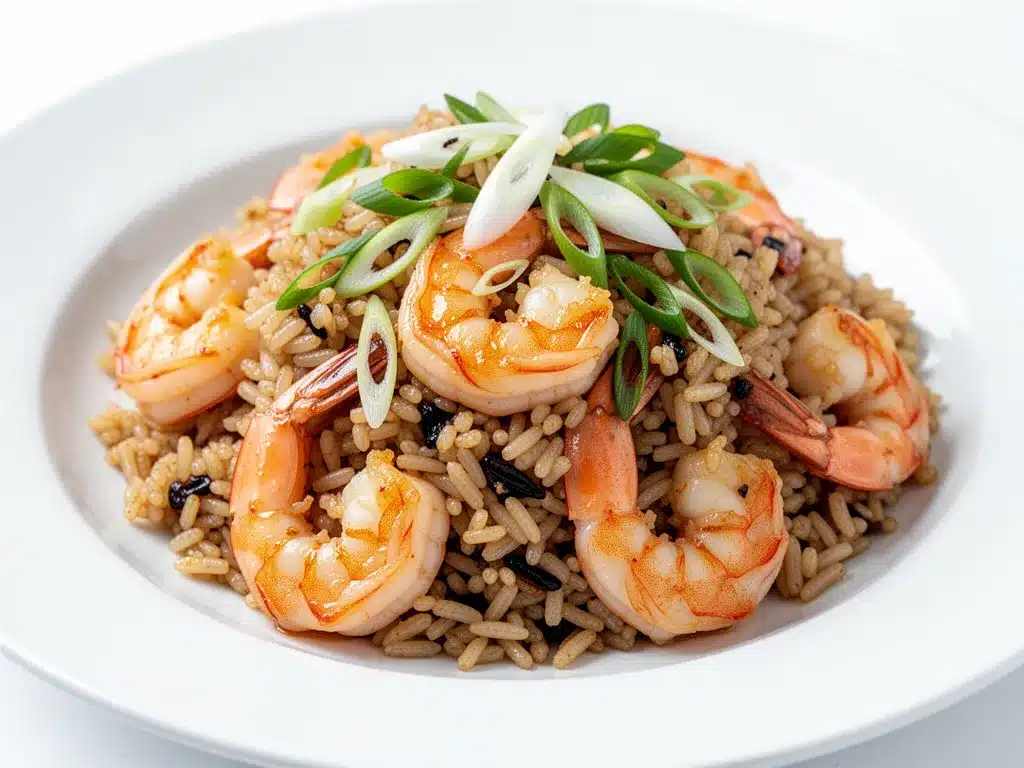
Alright, let’s get cooking. This moves fast, so have everything prepped before you turn on the heat. I call this “mise en place for lazy people”—just get it ready so you don’t panic.
Step 1: Prep the Shrimp
Pat the shrimp completely dry with paper towels. This is the most important step. If they’re wet, they won’t sear. Season them lightly with salt, white pepper, and a teaspoon of cornstarch (optional, but it helps them get crispy). Set aside.
Step 2: Scramble the Eggs
Heat a little oil in your large skillet over medium-high heat. Crack the eggs into the pan and scramble them quickly with a spatula. Cook until just set but still soft. Remove them to a plate. Don’t overcook them; they’ll go back in later.
Step 3: Sear the Shrimp
Wipe out the pan if needed, then add 1 tablespoon of oil and 1 tablespoon of butter over high heat. Once the butter foams, add the shrimp in a single layer. Don’t crowd the pan! If you have too many, cook in batches. Sear for 1-2 minutes per side until pink and opaque. Remove to the plate with the eggs. Overcooked shrimp are rubbery, so pull them off as soon as they’re done.
Step 4: Fry the Aromatics
Add another tablespoon of butter to the hot pan. Toss in the minced garlic and the white parts of the scallions. Stir constantly for 30 seconds. You want the garlic to be fragrant but not brown. Brown garlic is bitter. If it starts to smoke, lower the heat slightly.
Step 5: Fry the Rice
Add the cold rice to the pan. Break up any clumps with your spatula. Let it sit for 1-2 minutes without stirring. This is where the magic happens—the rice crisps up against the hot pan. Then, toss and stir vigorously for another 2-3 minutes until the rice is hot and evenly coated in the butter.
Step 6: Season and Combine
Drizzle the soy sauce and fish sauce around the edges of the pan (not directly on the rice, so it sizzles and caramelizes). Add the peas and carrots. Toss everything together for 1 minute. Add the cooked shrimp and scrambled eggs back in. Toss gently to combine everything. Taste and adjust seasoning. Need more salt? Add a splash of soy sauce. Want more garlic? Add more garlic. This is your kitchen.
Step 7: Finish and Serve
Turn off the heat. Stir in the green parts of the scallions. Serve immediately while it’s hot and crispy. Top with extra scallions or a drizzle of chili oil if you like heat.
Expert Tips for Perfect Fried Rice
After making this dozens of times, I’ve learned a few tricks that separate good fried rice from great fried rice. Here’s everything I wish I knew when I started.
The Rice Must Be Cold — I can’t stress this enough. Warm or hot rice will turn your dish into a sticky, mushy mess. If you cook rice fresh, spread it on a baking sheet and put it in the fridge for at least an hour, preferably overnight. The cold rice dries out and fries beautifully.
High Heat is Key — Fried rice needs high heat to get that wok hei effect. If your stove doesn’t get hot enough, your rice will steam instead of fry. Preheat your pan for a full 2 minutes before adding oil. If you’re using a gas stove, you can even tilt the pan to get flames licking the sides (carefully!).
Don’t Overcrowd the Pan — If you put too much rice in at once, the temperature of the pan drops, and the rice steams. Cook in batches if you’re making a large amount. It’s better to make two smaller batches than one giant, soggy one.
Butter Timing — Add butter in two stages. Half at the beginning for cooking, and half at the end for richness. This prevents the butter from burning while still giving you that creamy flavor.
Use Leftover Rice — This recipe is designed for leftover rice. Fresh rice has too much moisture. If you must use fresh rice, cook it with less water than usual and spread it out to cool.
Season in Layers — Don’t just dump all the soy sauce in at the end. Season the shrimp, season the rice, and season the sauce. Layering the saltiness creates a more complex flavor.
Variations and Substitutions
Once you’ve mastered the basic shrimp fried rice with garlic butter and scallions, here’s how you can mix it up. I’ve tried all of these, and they’re all winners.
Chicken Fried Rice — Swap shrimp for diced chicken breast or thigh. Marinate the chicken in soy sauce and cornstarch before cooking. Cook it first, remove, then proceed as usual.
Vegetable Loaded — Add diced bell peppers, corn, and edamame. I do this when I need to use up veggies. It adds crunch and color.
Spicy Garlic Butter — Add 1 teaspoon of gochujang (Korean chili paste) or sriracha to the butter mixture. It adds a deep, fermented heat that’s addictive.
Kimchi Fried Rice — Add 1 cup of chopped kimchi in Step 4. It adds a tangy, spicy kick. This is a personal favorite of mine.
Gluten-Free — Use tamari instead of soy sauce. Make sure your fish sauce is gluten-free (most are, but check the label). Everything else is naturally gluten-free.
Dairy-Free — Skip the butter and use more neutral oil. It won’t be as rich, but it still tastes great. Or use a plant-based butter substitute.
Serving and Storage
This fried rice is best served immediately, hot and crispy. I usually serve it with a simple side of miso soup or a quick cucumber salad to balance the richness.
Storage — Store leftovers in an airtight container in the fridge for up to 3 days. The rice will harden in the fridge, which is normal.
Reheating — Don’t microwave it if you can help it. Microwaving makes rice rubbery. Instead, reheat it in a skillet with a splash of water or oil over medium heat. Stir frequently until hot and crispy again. It’ll taste almost as good as fresh.
Freezing — You can freeze fried rice, but the texture changes. The rice may become grainy. If you must freeze it, thaw it in the fridge overnight and reheat in a skillet. It won’t be as crispy, but it’s still edible.
Nutrition Information
I’m not a nutritionist, but here’s the breakdown if you’re tracking. This is a calorie-dense dish because of the butter and oil, but it’s also filling.
Per Serving (based on 4 servings):
- Calories: 450
- Protein: 25g
- Carbs: 40g
- Fat: 18g
- Fiber: 2g
- Sugar: 2g
- Sodium: 680mg
Look, this is comfort food. It’s not a diet meal. But it’s way better than takeout, and you control the ingredients. If you want to lighten it up, use less butter and more veggies. But usually? I just enjoy it and move on.
Frequently Asked Questions
Can I use fresh rice instead of leftover rice?
You can, but it’s risky. Fresh rice has too much moisture and will stick together. If you must use fresh rice, cook it with less water, spread it on a baking sheet, and put it in the freezer for 20-30 minutes to dry it out. The drier the rice, the better the fried rice.
Why did my fried rice turn out soggy?
Usually, this means the rice was too wet, the pan wasn’t hot enough, or you overcrowded the pan. Make sure your rice is cold and dry. Heat your pan thoroughly before adding oil. And don’t try to cook too much at once. Cook in batches if needed.
Can I make this ahead of time?
You can prep the ingredients ahead of time (chop scallions, thaw shrimp), but it’s best to cook it fresh. Fried rice is at its best hot and crispy. If you make it ahead and reheat it, it won’t have the same texture.
What kind of shrimp should I use?
Large or extra-large shrimp (21-25 count) work best. They’re juicy and not rubbery. Avoid small shrimp, as they get lost in the rice. Peeled and deveined is convenient, but you can peel them yourself if you prefer.
Can I use frozen shrimp?
Yes, but you must thaw them completely and pat them very dry. Excess moisture is the enemy. If you cook wet shrimp, they’ll steam instead of sear, and you’ll miss out on that crispy texture.
Is fish sauce necessary?
No, but it adds depth. If you hate fish sauce, you can skip it or use oyster sauce. The dish will still be delicious, just slightly less complex.
Final Thoughts
So that’s my shrimp fried rice with garlic butter and scallions! It’s simple, it’s fast, and it’s incredibly satisfying. I’ve made this recipe so many times that it’s become part of my muscle memory. I don’t even need to look at the instructions anymore.
This dish has saved me on busy weeknights, lazy Sundays, and last-minute dinner parties. It’s proof that you don’t need fancy ingredients or hours of cooking time to make something amazing. Just good rice, fresh shrimp, lots of garlic, and a little bit of butter.
If you make this, I’d love to hear how it turns out. Drop a comment below and let me know if you added any special twists. And if you’re looking for more quick dinner ideas, check out my crispy garlic chicken recipe—it’s another one I make on repeat.
Happy cooking! I hope your kitchen smells as good as mine does right now.
Pin This Recipe!
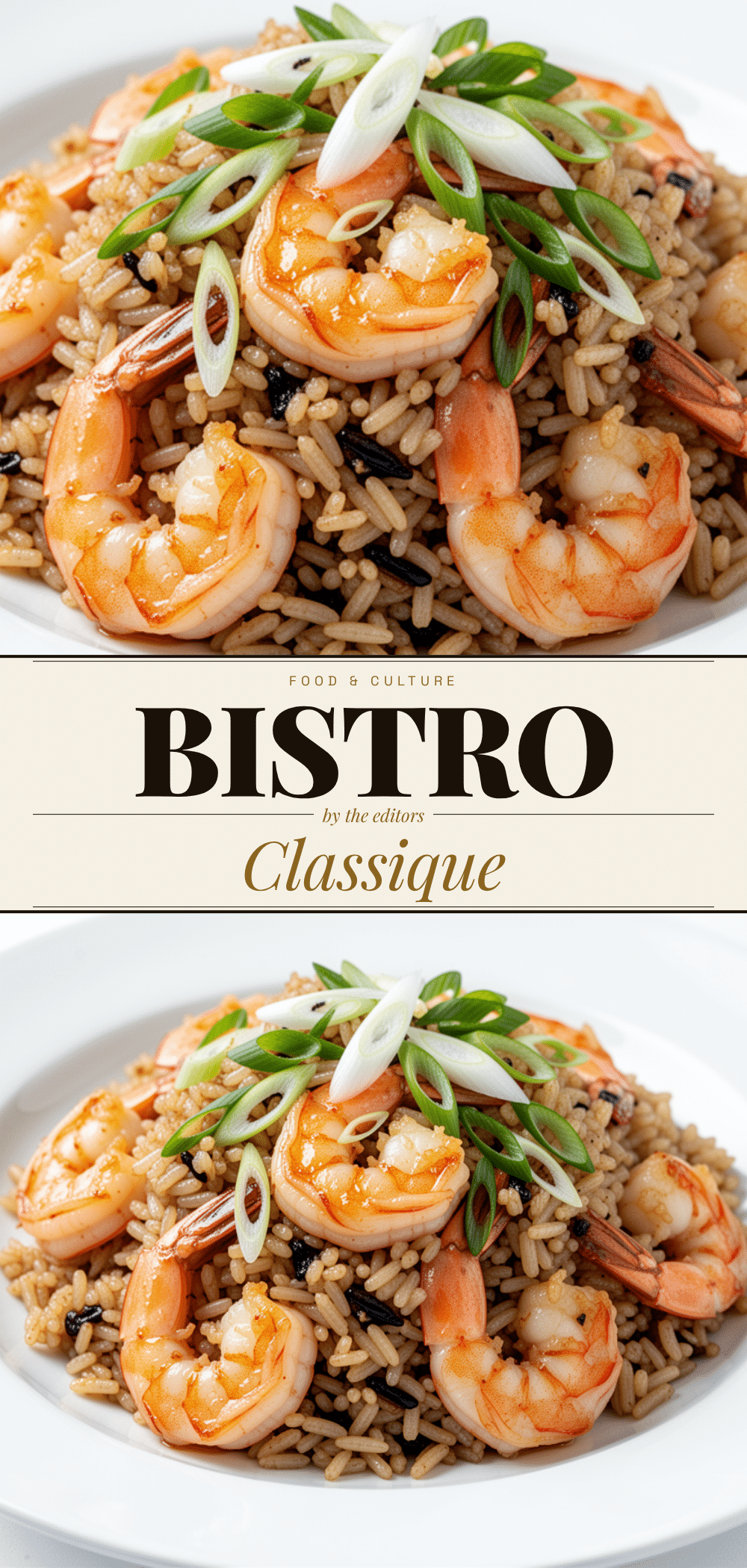
Shrimp Fried Rice: Easy Garlic Butter Recipe
- Total Time: 15 minutes
- Yield: 4 servings 1x
Description
A quick, 15-minute weeknight dinner featuring crispy shrimp, cold day-old rice, and a rich garlic butter sauce. This restaurant-quality fried rice is faster than takeout and uses simple ingredients for maximum flavor.
Ingredients
- 3–4 cups cold, day-old rice (Jasmine or short-grain sushi rice)
- 1 pound large shrimp, peeled and deveined
- 3 tablespoons unsalted butter
- 1 tablespoon neutral oil (vegetable or canola)
- 6–8 cloves garlic, minced
- 3 tablespoons light soy sauce
- 1 teaspoon fish sauce (optional)
- 1 cup frozen peas and carrots
- 4–5 stalks scallions, thinly sliced (white and green parts separated)
- 2 large eggs
- ½ teaspoon white pepper
- Salt to taste
- 1 teaspoon cornstarch (optional, for shrimp)
Instructions
- Pat the shrimp completely dry with paper towels. Season lightly with salt, white pepper, and cornstarch if using. Set aside.
- Heat a little oil in a large skillet over medium-high heat. Scramble the eggs quickly until just set but still soft. Remove to a plate.
- Wipe out the pan if needed. Add 1 tablespoon oil and 1 tablespoon butter over high heat. Once butter foams, add shrimp in a single layer. Sear for 1-2 minutes per side until pink and opaque. Remove to the plate with the eggs.
- Add another tablespoon of butter to the hot pan. Toss in minced garlic and white parts of scallions. Stir constantly for 30 seconds until fragrant but not brown.
- Add cold rice to the pan. Break up clumps. Let sit undisturbed for 1-2 minutes to crisp up, then toss and stir vigorously for 2-3 minutes until hot and coated.
- Drizzle soy sauce and fish sauce around the edges of the pan. Add peas and carrots. Toss for 1 minute.
- Return cooked shrimp and scrambled eggs to the pan. Toss gently to combine. Taste and adjust seasoning.
- Turn off heat. Stir in green parts of scallions. Serve immediately.
Notes
Use cold, day-old rice for best texture; fresh rice will result in mush. Ensure shrimp are very dry before cooking to achieve a sear. High heat is essential for the ‘wok hei’ effect. Do not overcrowd the pan; cook in batches if necessary. Reheat in a skillet with a splash of water or oil to restore crispiness.
- Prep Time: 10 minutes
- Cook Time: 5 minutes
- Category: Main Course
- Cuisine: Chinese-American
Nutrition
- Serving Size: 1 plate
- Calories: 450
- Sugar: 2
- Sodium: 680
- Fat: 18
- Saturated Fat: 8
- Carbohydrates: 40
- Fiber: 2
- Protein: 25
Keywords: shrimp fried rice, garlic butter, quick dinner, weeknight meals, easy recipe, crispy fried rice, seafood, Asian fusion